What exactly does PELORA set up for a DTC health and wellness brand?
The full creative-to-retention stack. Creative: 10 to 30 fresh ad units a month, video, UGC-style, and statics, produced in-house so testing never starves. Acquisition: Meta, TikTok, and Google campaigns run creative-first with weekly iteration, plus landing pages and offer tests. Retention: your email and SMS backend built properly, welcome series, abandoned cart and checkout flows, post-purchase sequences, winback campaigns, and campaign calendars that make email 25 to 35 percent of revenue like it should be. Plus AEO and GEO so AI assistants mention your brand in category questions. You own every account, every list, every asset.
Do you handle email and SMS marketing for ecommerce brands?
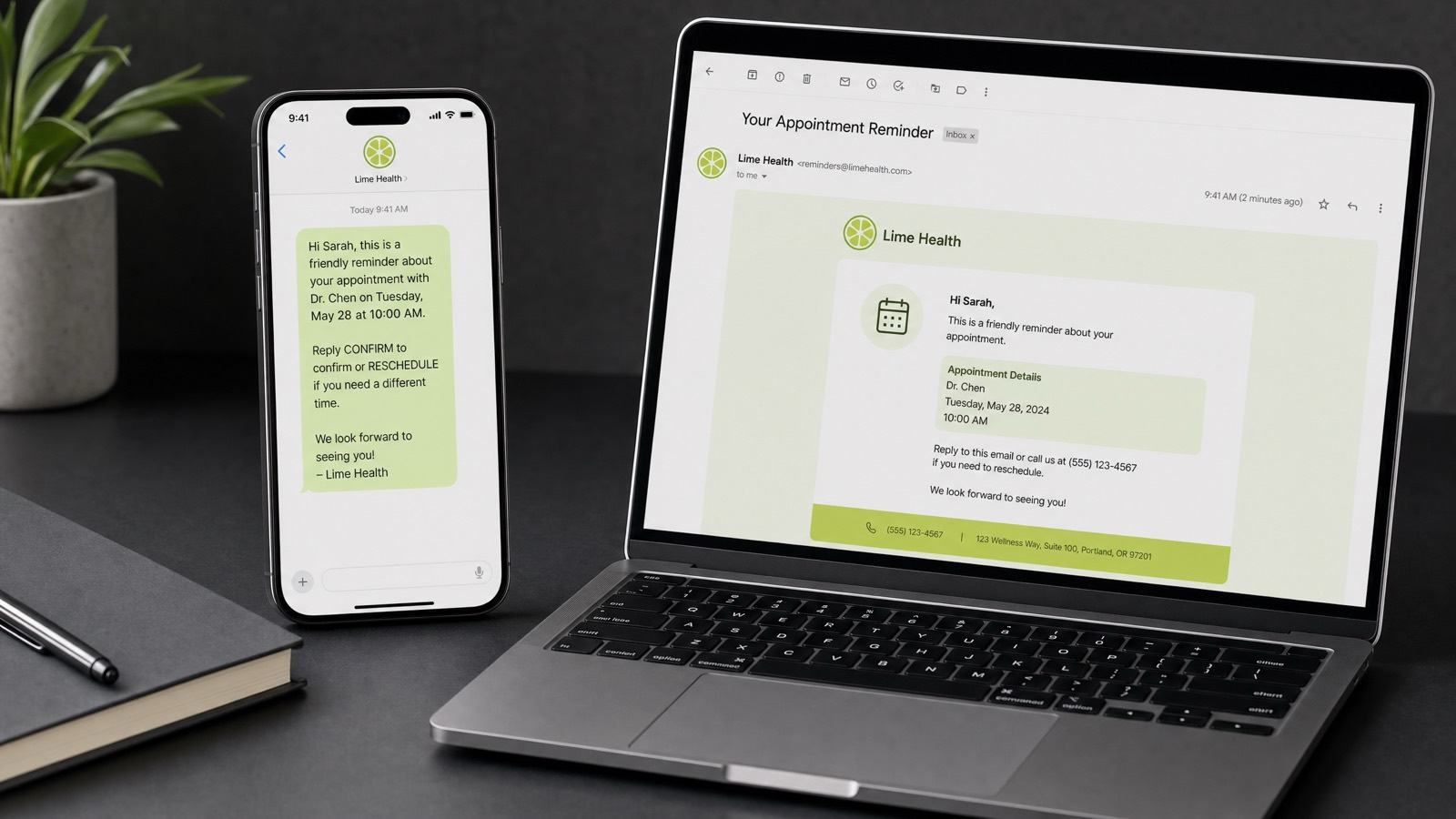
Yes, it is half the growth model. We build and run: welcome series that convert first-time visitors, abandoned cart and browse flows, post-purchase sequences that drive second orders and reviews, winback campaigns for lapsed customers, VIP and loyalty segments, and a monthly campaign calendar tied to launches and offers. Built in Klaviyo or your platform of choice, with deliverability, segmentation, and creative handled. For subscription brands we also build churn-save and dunning flows.
What does a DTC marketing agency do for a health and wellness brand?
A DTC marketing agency runs the full growth engine for your e-commerce brand. PELORA Marketing produces a steady volume of UGC and creator video, runs Meta, Instagram, TikTok, Google, and Shopping ads to ROAS and CAC targets, builds email and SMS flows that drive repeat purchases and LTV, optimizes your store and landing pages for conversion, and keeps your claims FTC-compliant. The goal is simple: more first-time customers at a profitable cost, and more of them buying again. You own your ad accounts and your data.
How do you scale a supplement or wellness brand?
Scaling a wellness brand comes down to three things working together: profitable acquisition, fresh creative, and strong retention. We feed paid social a high volume of new UGC and creator angles so winning ads do not fatigue, we manage spend to your contribution margin and ROAS targets across Meta, TikTok, and Google, and we build email and SMS flows plus a subscription offer so customers buy again. We scale spend only as the math holds. Pushing budget on tired creative or weak retention just raises CAC, so we fix those first.
What ROAS and AOV should I expect for a DTC wellness brand?
It depends on your margins and price point, so we plan around your numbers, not a vanity ROAS. Many supplement and wellness brands run a blended ROAS in the 2x to 4x range and rely on subscriptions and repeat purchases to make the unit economics work over 60 to 90 days. AOV usually rises with bundles, subscribe-and-save, and post-purchase upsells. We model your contribution margin and break-even ROAS first, then set targets that grow profit, not just revenue. A high ROAS on tiny spend is easy; profitable scale is the real goal.
Is UGC better than polished, produced ads?
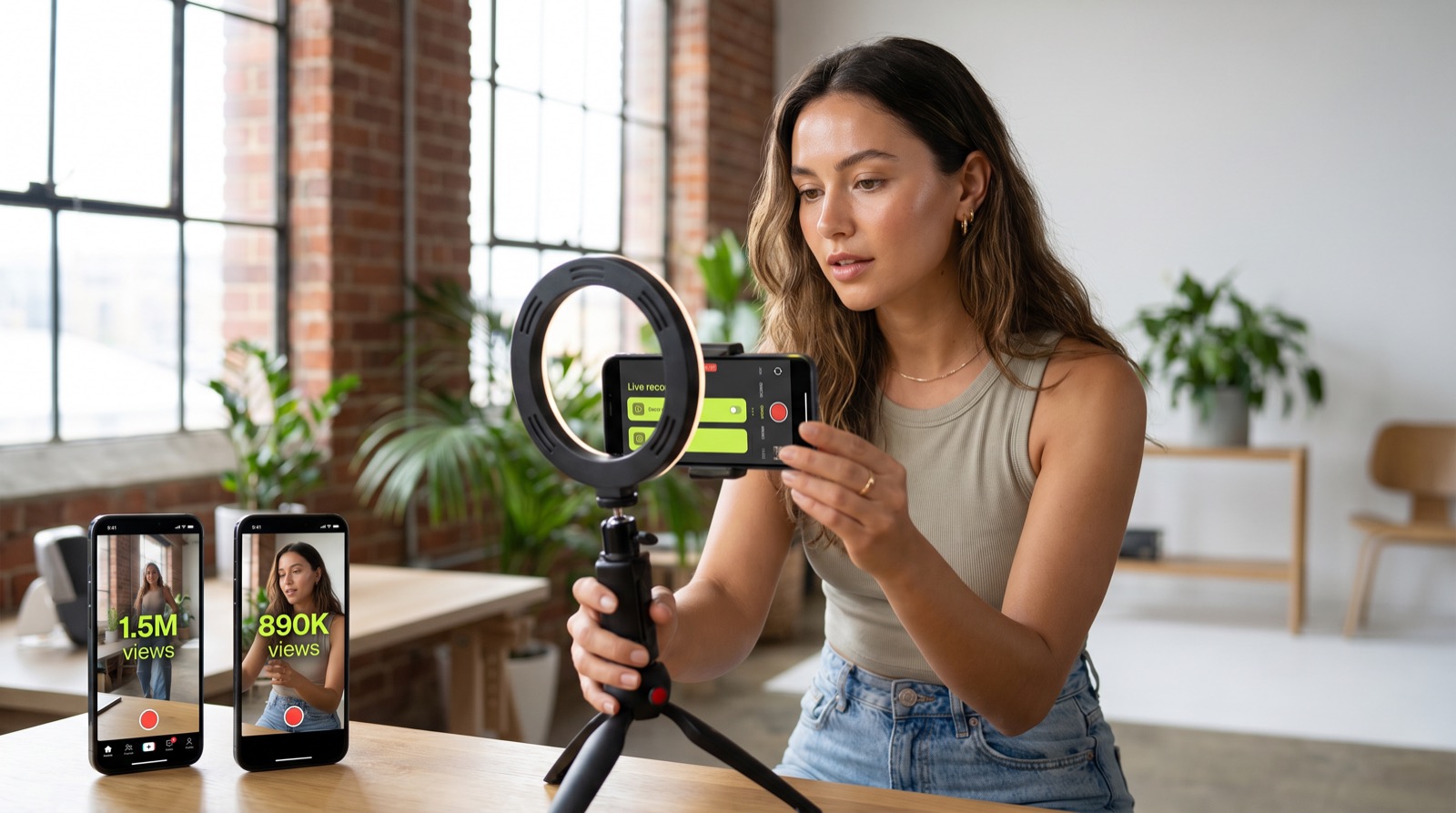
For paid social, native UGC and creator video usually outperform highly polished ads, because it looks like content, not an ad, and it builds trust. The bigger lever is volume and variety: testing many hooks, angles, and formats so you always have fresh winners as creative fatigues. We still produce premium brand video for your store, your hero pages, and key launches. In practice the best account runs both: a steady stream of UGC for testing, plus a few polished anchors that carry the brand.
How do influencer and affiliate programs work for wellness brands?
Influencer and affiliate are two of the strongest channels in wellness. We seed product to relevant creators, run paid partnerships and whitelisted ads off their handles, and stand up an affiliate program so creators and customers earn a commission on sales they drive. It compounds: creator content doubles as UGC for your ads, and affiliates bring in buyers at a cost tied to performance. We keep every partnership FTC-compliant with clear disclosure, which protects the brand and keeps the channel healthy.
How important are email and SMS for retention?
Very. For most DTC wellness brands, email and SMS drive a large share of repeat revenue and are the highest-margin channel you own, because you are not paying for the traffic again. We build the core flows (welcome, abandoned cart and checkout, post-purchase, replenishment reminders, and winback), run a regular campaign calendar, and use subscribe-and-save to turn one-time buyers into recurring revenue. Acquisition gets the first order; email and SMS get the second, third, and tenth, which is where LTV and real profit come from.
Should I sell on Amazon or on my own website?
Most wellness brands do both, and they play different roles. Your own Shopify store gives you margin, customer data, subscriptions, and brand control, so it is where you build LTV. Amazon captures high-intent buyers who search there and adds credibility and reviews, but you give up the customer relationship and pay fees. We help you optimize listings and run Amazon ads while keeping your store the home for retention. A common pattern is using Amazon for discovery and your site for repeat, subscription-driven revenue.
How do you keep supplement and health claims FTC-compliant?
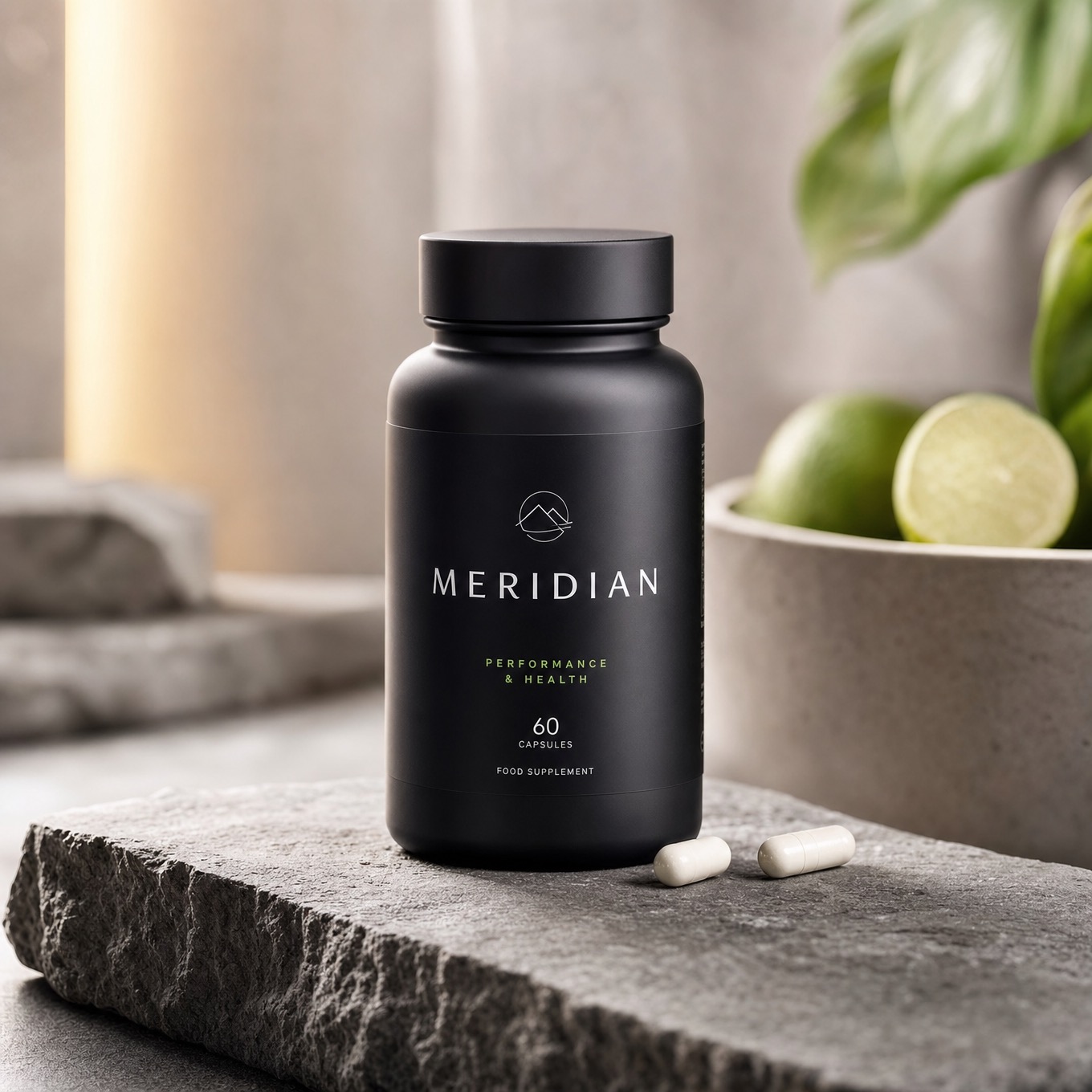
Carefully, because this is where wellness brands get into trouble. We avoid disease and cure claims, keep structure-function language within bounds, include required disclaimers, and make sure testimonials and influencer posts carry clear, honest disclosures. We do not invent before-and-afters or fake results. For ingestibles we support COA transparency and age-gating where relevant. We are not your attorney, and we will flag anything that needs legal review, but compliant creative is the default here, not an afterthought. It protects your ad accounts and your brand.
How much should I spend to grow my brand?
Enough that paid social has data to optimize, but never more than your margins can support. We start from your contribution margin, AOV, and target CAC, then size a budget where the platforms can learn and you still grow profit. Our retainers start at $2,500 per month and most growing brands land at $4,500 per month, with ad spend billed separately and paid directly to the platforms. No markup on media, and you own your accounts. If your budget is too low to work, we will tell you before you spend.
How long until I see results?
Honest timeline. Month 1 is setup: creative production, account and tracking setup, email and SMS flows, and store and landing page fixes. By month 2 we usually have early winning ads and the retention flows are capturing repeat orders. Months 3 and beyond are where it compounds: a creative testing rhythm, scaling the winners, and rising LTV from email, SMS, and subscriptions. E-commerce is a creative and data game, so the brands that win commit to consistent testing. Anyone promising an overnight ROAS miracle is not telling the truth.