Cost per posted gifted video equals the product cost plus twelve dollars shipping, divided by the share of creators who actually post. There is no other rate. Paying a creator instead averages one hundred eighty six to two hundred fifty five dollars a post, and nearly eighty percent of those paid deals close under three hundred dollars.
Two ways to pay a creator, and only one of them has a rate
Paying a creator for a post has a real, transacted price, the same as any other line item in influencer marketing. Gifting product to a creator and hoping they post does not, because nobody has agreed to anything in exchange for money. That single difference is the entire reason a gifted program is priced differently from a paid one, and most of the confusion around creator economics comes from treating the two as the same purchase.
What to budget: the health and fitness creator marketplace runs cheaper, one hundred seventy five dollars average, fitness partnerships starting from seventy five. Source: Collabstr 2026 report, 21,000 plus paid collaborations across 200,000 creators.
A gifted post has no version of any of those numbers. There is no fee, so there is nothing to average. What a gifted video costs instead is a formula, and it depends entirely on one number nobody in the industry has actually measured.
The formula, and the one number nobody has measured
Twelve dollars a package domestic, with a twenty five package minimum, is PELORA's own seeding logistics figure. Product cost is whatever the brand's product actually costs to make. The activation rate, the share of gifted creators who post at all, is an assumption. No published source has measured it, us included, which is exactly why it has to be labeled as an assumption rather than treated as a known input.
What a gifted video costs, at a fifteen dollar product
Cost per posted video against the share of gifted creators who actually post.
What it means: at one in three posting, a gifted video costs about what a bare edit with no person attached costs, and it arrives with a real face, a real audience and a real posting slot. What this number is not: it counts product and shipping only. It does not include the cost of running the program, which is quoted per brand and is not in any figure on this page. A professionally edited video with a person managing it runs higher, PELORA's own published editing rate is three hundred fifty to one thousand dollars a video. Sources: twelve dollar domestic seeding logistics, PELORA service line model, 2026-08-31. One hundred eighty six dollar average paid TikTok post, Collabstr 2026 report. Bare edit thirty one dollars to eighty nine dollars, VidChops and beCreatives published prices. Arithmetic: PELORA CFO, 2026-09-08.
The activation rate that actually breaks even
Instead of guessing a single posting rate, it is more useful to ask a different question: how many gifted creators actually need to post before the model beats paying cash outright. That number moves with what the product costs to make and ship.
Posting rate needed to beat a paid post
Share of gifted creators who need to post for the gifted model to cost less than the one hundred eighty six dollar average paid TikTok post.
Where it holds: under about twenty five dollars to make and ship, gifting beats paying market rate if better than one in five creators post. Above sixty dollars it needs better than two in five, and the case weakens fast from there. What moves these five numbers: every percentage above divides by the same one hundred eighty six dollar benchmark, so all five move together and scale inversely with the price of a paid post. If paid posts in your category cost half that, every break even rate here roughly doubles. Source: break even against the Collabstr 2026 transacted TikTok average, PELORA CFO arithmetic, 2026-09-08. Honest limit: a paid post comes with a negotiated deliverable and a review cycle. A gifted post comes with neither. This comparison holds on at bats, which is what a testing program buys, not on guaranteed brand controlled quality.
Usage rights are priced as a percentage of a fee that does not exist
Every published figure for what usage rights cost is expressed as a percentage of a creator's base fee. That works fine when there is a base fee to take a percentage of. In a gifted deal there is not, so the standard math simply has no denominator, and the real price of rights ends up decided entirely by when in the relationship you ask for them.
Sources: Modash, March 2026; Top Growth Marketing, July 2026; UGCBloom, July 2026, on the standard ask. Collabstr 2025 paid data on the measured lift. Lumanu and Collectively survey, 400 plus influencers, on who charges and who has been asked.
Where the winning videos should actually run
Once a gifted video is working, the next decision is which platform to run it as a paid ad on. Meta and TikTok handle creator permission completely differently, and the difference gets expensive at scale in a way most brands do not plan for.
Meta partnership ads
The creator grants ad permission once, at the account level, under Ad partners in their own settings. It is free and it does not expire per post. One action, ever, covers every winning video from that creator.
TikTok Spark Ads
The creator authorizes per video and sends a code valid for seven, thirty, sixty or three hundred sixty five days. Every video needs its own code, and the ad simply stops when the code lapses. Always request the three hundred sixty five day option.
Sources: Meta and TikTok help content on partnership ads and Spark Ads authorization, checked 2026-09-02, PELORA influencer economics research. Mechanics restated in PELORA's creator army costing, 2026-09-08, section 6. A contract clause does not by itself grant whitelisting. The creator has to take the action inside their own account, and can revoke it.
How TikTok Shop affiliate commission actually works
Set by the seller, one to eighty percent. Every point of commission is a point of the client's own gross margin, not PELORA's.
Commission equals revenue minus refunds, times the rate. A full refund brings the commission on that order to zero.
Creators are paid fifteen days after the order delivers, not at the moment the order is placed.
TikTok charges the seller a separate six percent per order referral fee. That is the seller's cost, not a PELORA fee, stated here on its own line so the two never get conflated.
Source: TikTok Shop published affiliate mechanics, as recorded in PELORA's creator army costing, 2026-09-08, section 4.
Who this actually works for
Beverages and consumer products
A can shaped and sold like a drink is a conventional food under FDA's 2014 guidance, not a supplement. The compliance read here is a disclosure sweep, not a claims review. This is the model behind PELORA's own energy drink creator work.
Supplements
Structure and function claim territory under the FTC Health Products Compliance Guidance, with civil penalties up to fifty three thousand eighty eight dollars per violation. A prohibited claims list handed to every creator at recruitment does more here than reading every post after the fact. That list, plus a sampled compliance read, is how PELORA runs supplement brand creator programs.
Prescription products and services
FDA treats a paid creator's post as if the company wrote it, and sent thirty warning letters to telehealth companies on March 3, 2026 and twenty five more the week of June 15, naming Instagram influencer partnerships specifically. Separately, TikTok's Prohibited Products Policy bars services from the shop outright, so this model is not a channel for a clinic, a contractor or an agency.
Sources: FDA 2014 guidance distinguishing liquid dietary supplements from beverages. FTC Health Products Compliance Guidance and the January 2025 civil penalty adjustment. FDA telehealth warning letters, March 3 and the week of June 15, 2026. TikTok Prohibited Products Policy on services, as recorded in PELORA's creator army costing, 2026-09-08, section 7.
The rules on every post
Disclose on every post. Free product counts as payment, and the disclosure has to sit where a viewer sees it without tapping further.
Undisclosed commercial content can lose distribution. TikTok's own policy states that improperly disclosed commercial content may not be eligible for the For You feed. Disclosure is not only a legal requirement, it protects reach.
Before and after comparisons are banned globally. Not restricted, not age gated. Banned, on every account, everywhere.
Dietary products are eighteen plus on Meta. General foods are not. The exemption for general wellbeing and general food products is the line that decides how a functional beverage gets sold on the platform.
Sources: TikTok's own help content on content disclosure and For You feed eligibility, checked 2026-09-06. Meta and TikTok advertising policies on before and after content and the eighteen plus dietary product rule, opened and read in a browser 2026-09-05.
The full model, including how PELORA runs a gifted creator program end to end, lives on the creator army page, with the funnel drawn out and every one of these numbers sourced in one place. This post is the arithmetic behind it. The program itself is quoted per brand, because the product cost and the realistic activation rate are different for every client.
Want the real numbers run for your product?
Bring your product cost and I will run the break even math against paying creators outright, in the same call. No pitch deck, just the arithmetic and an honest read on where it works for you.
Book a CallFAQMore questions people ask
How much does a gifted creator post actually cost?
There is no flat rate. Cost per posted video equals the product cost plus twelve dollars domestic shipping, divided by the share of gifted creators who actually post. At a fifteen dollar product and one in three posting, that is about eighty two dollars a video. Nobody has published what the real posting share is, so treat that percentage as an assumption to test, not a fact to plan around.
Is gifting product cheaper than paying creators?
It depends on the product cost and the posting rate. Against a transacted average paid TikTok post of one hundred eighty six dollars, a ten dollar product needs about twelve percent of gifted creators to post to break even, a twenty five dollar product needs about twenty percent, and a sixty dollar product needs about thirty nine percent. Under roughly twenty five dollars to make and ship, gifting usually wins. Above sixty dollars the case weakens fast.
What is the catch with the gifted model?
A paid post comes with a negotiated deliverable and a review cycle. A gifted post comes with neither. The comparison holds on at bats, meaning how many tries you get for the money, not on guaranteed brand controlled quality. You are buying attempts, not a guaranteed asset.
How much should usage rights cost for a gifted post?
Every published figure prices usage rights as a percentage of a base fee, twenty five to thirty percent per thirty days is the standard ask. In a gifted deal the base fee is zero, so that percentage has no denominator. The real answer is about timing. Ask for rights in the agreement every creator signs to join, before anyone knows which video wins, and the marginal cost is zero. Ask after a video has already proven itself and you are negotiating from a much weaker position.
How does TikTok Shop affiliate commission actually work?
The seller sets the commission rate, anywhere from one to eighty percent. Commission equals revenue minus refunds, times that rate, so a full refund brings the commission to zero. Creators are paid fifteen days after the order delivers, not at the time of the order. TikTok also charges the seller a separate six percent per order referral fee, which is the seller's cost and has nothing to do with what a creator is paid.
Should I use Meta or TikTok for whitelisted ads from creator content?
Meta is cheaper to run at scale. A creator grants Meta partnership ad permission once, at the account level, and it never expires per post. TikTok Spark Ads need a fresh authorization code for every single video, valid for seven, thirty, sixty or three hundred sixty five days, and the ad simply stops when that code lapses. If you are moving winning videos into paid media, ask for the three hundred sixty five day code every time.
Every number on this page, and where it came from.
- Collabstr, 2026 Influencer Marketing Report. 21,000 plus paid collaborations across 200,000 creators. Average paid post TikTok $186, Instagram $193, YouTube $255. Nearly 80 percent of deals under $300. Collabstr health and fitness marketplace, 2026: $175 average, fitness partnerships from $75.
- Collabstr, 2025 report. Usage rights moved the average deal from $221 to $307, a 39 percent lift.
- Modash (March 2026), Top Growth Marketing (July 2026), UGCBloom (July 2026). 25 to 30 percent of base fee per 30 days as the standard whitelisting ask.
- Lumanu and Collectively survey, 400 plus influencers. 51 percent charge extra for usage rights; 80 percent have been asked.
- VidChops $31.09 and beCreatives $89. Published short form edit prices, read 2026-09-07.
- PELORA service line model, 2026-08-31. $12 per package domestic seeding logistics, 25 package minimum.
- PELORA CFO, creator army costing, 2026-09-08. Cost per video formula, break even table, $15 product table, TikTok Shop commission mechanics, Meta versus TikTok permission mechanics, product clients only.
- TikTok's own help content on content disclosure, checked 2026-09-06: undisclosed commercial content may be ineligible for the For You feed.
- Meta and TikTok advertising policies, opened and read in a browser 2026-09-05: TikTok's before and after ban, Meta's 18 plus rule for dietary products with the general food exemption.
- FTC Health Products Compliance Guidance and the January 17, 2025 civil penalty adjustment, $53,088 per violation.
- FDA warning letters to telehealth companies, March 3, 2026 (30) and the week of June 15, 2026 (25), naming Instagram influencer partnerships. FDA 2014 guidance distinguishing liquid dietary supplements from beverages.
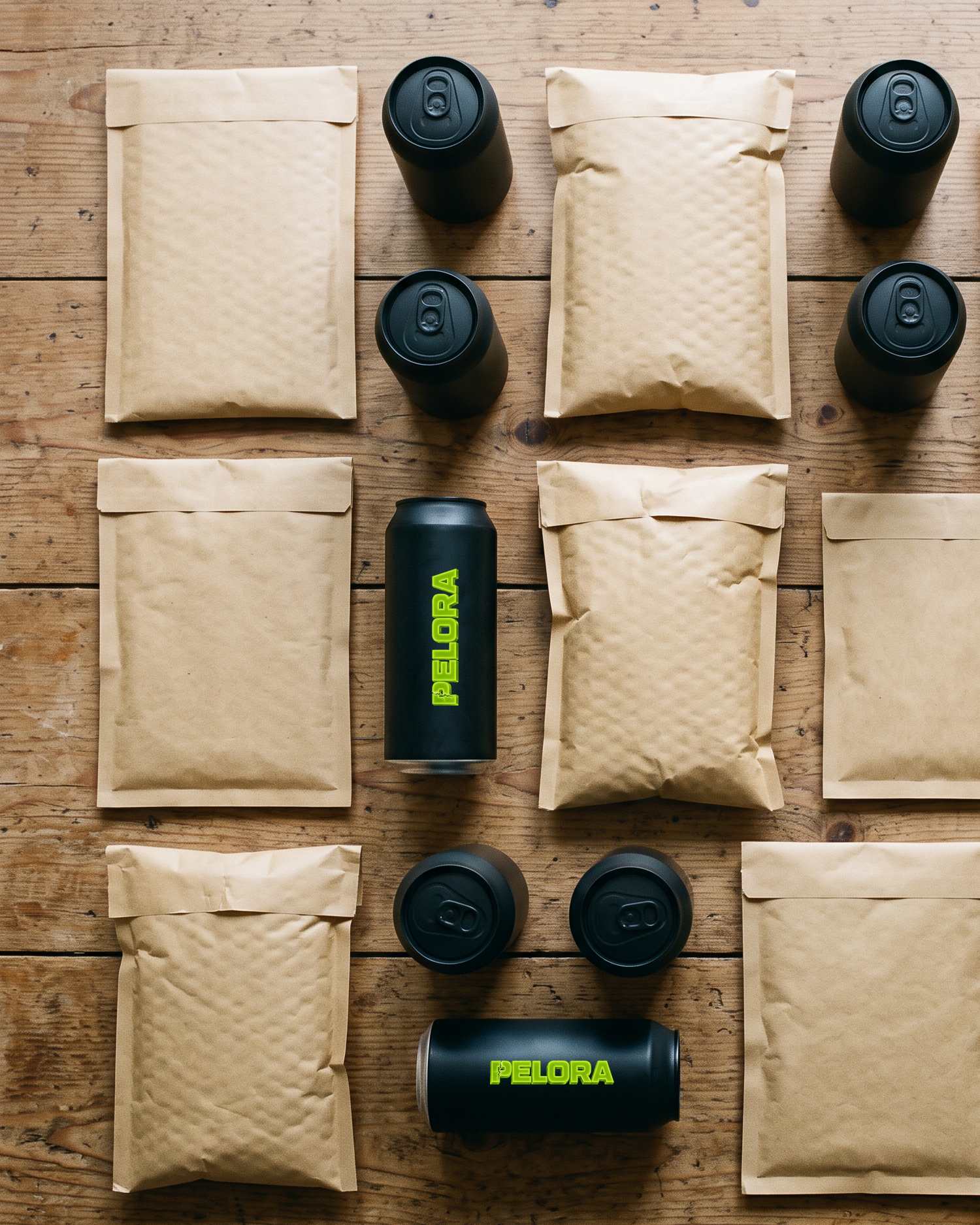
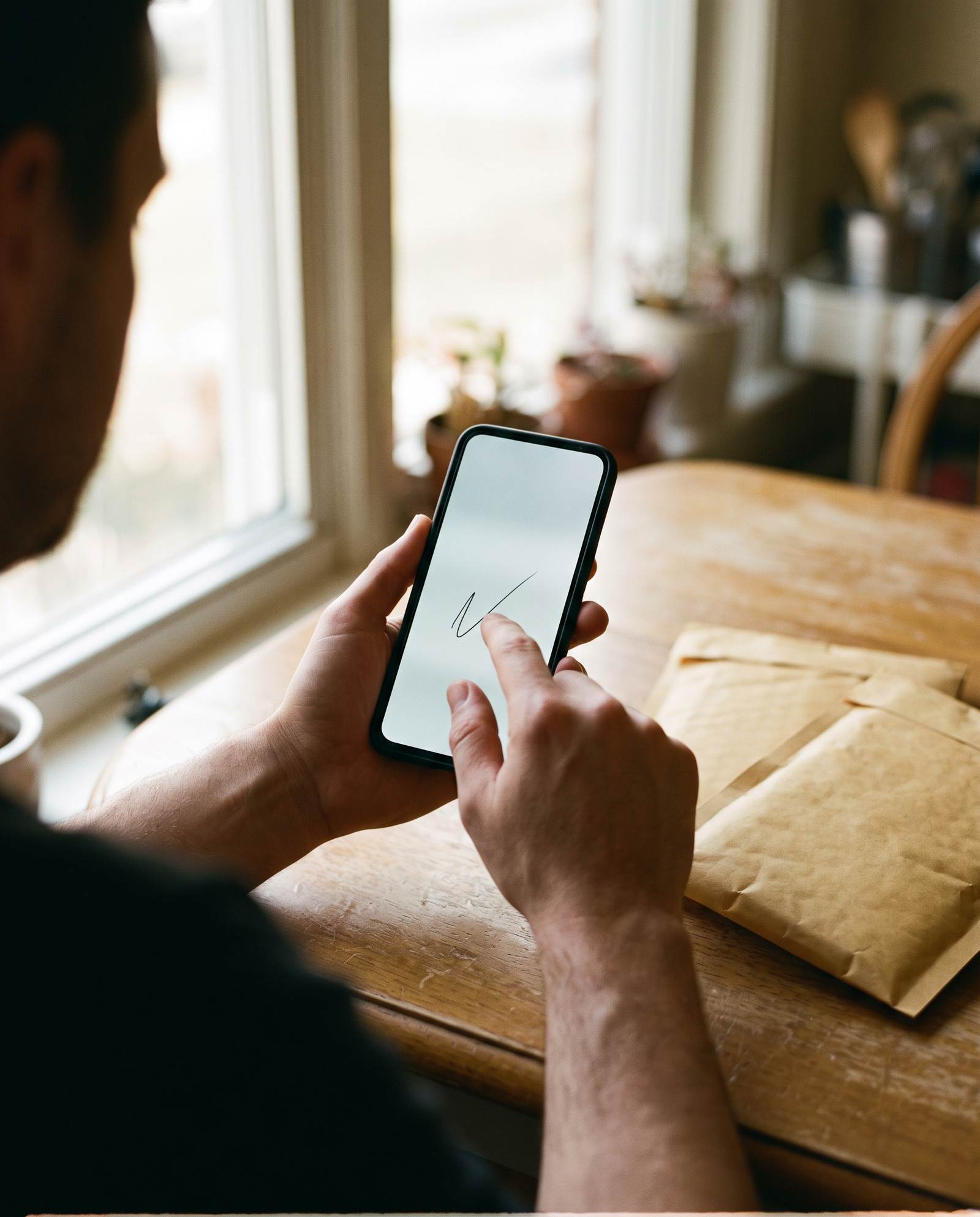
On the imagery: the three photographs on this page are concept renders for PELORA's creator program, generated in house and read at magnification against our brand rules before use. They are not client footage and not real customers.