The accounts winning on Meta right now run most of their ads from creators' own handles, not the brand page. This page shows exactly how that works, what a creator costs, what we do for the fee, and what changes when the product is regulated.
Management is $4,500 a month attached to any tier, or included from Enterprise at $14,000. You pay creators directly, never through us.
Nearly 80%of paid creator posts close under $300
48 hrsreview turnaround, two rounds, before any post goes live
2xevery post is read twice before it goes live
UpdatedSeptember 27, 2026Rates and platform rules checked against the sources listed at the bottom
Influencer marketing, the way we run it, is a creator with a real audience in your city posting about your business, with the post run as an ad from their own account and pointed at a page built for it. Most creators cost under $300 a post. The management is the finding, contracting, reading and reporting, and that is what the fee pays for.
Prices are what creators actually accepted, not rate-card asks.
Three ways to run a creator
Their post. Your ad.
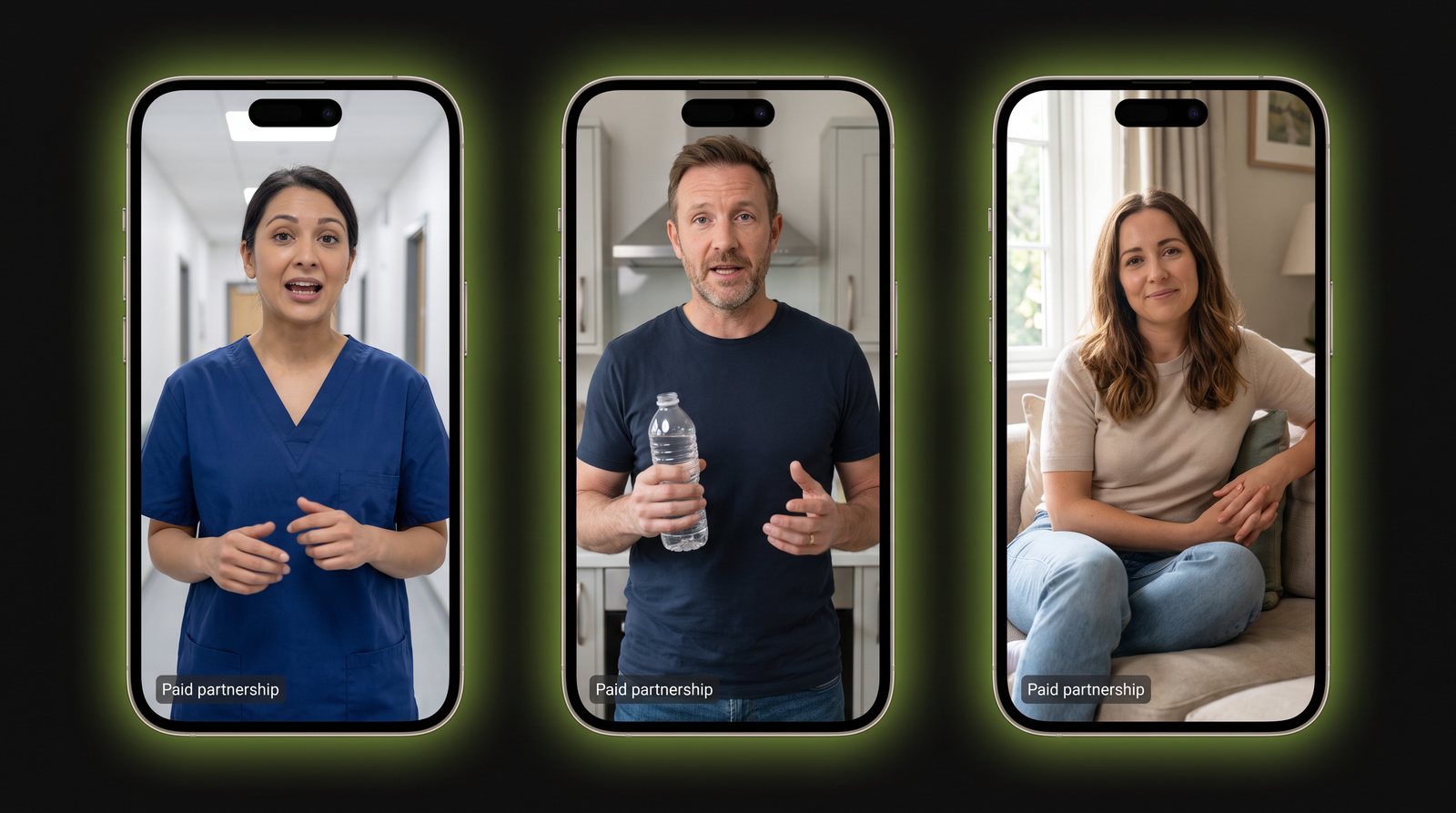
A creator can post and you boost it, a creator can hand you the video and you run it, or a creator can give you standing permission to run anything from their handle. Each one looks different to the person scrolling, and each one costs different money. If you would rather run many small creators than a few large ones, that is product seeding and commission creator programs, and what a gifted creator video actually costs breaks down the maths.
Meta partnership ad
Runs from the creator's handle.
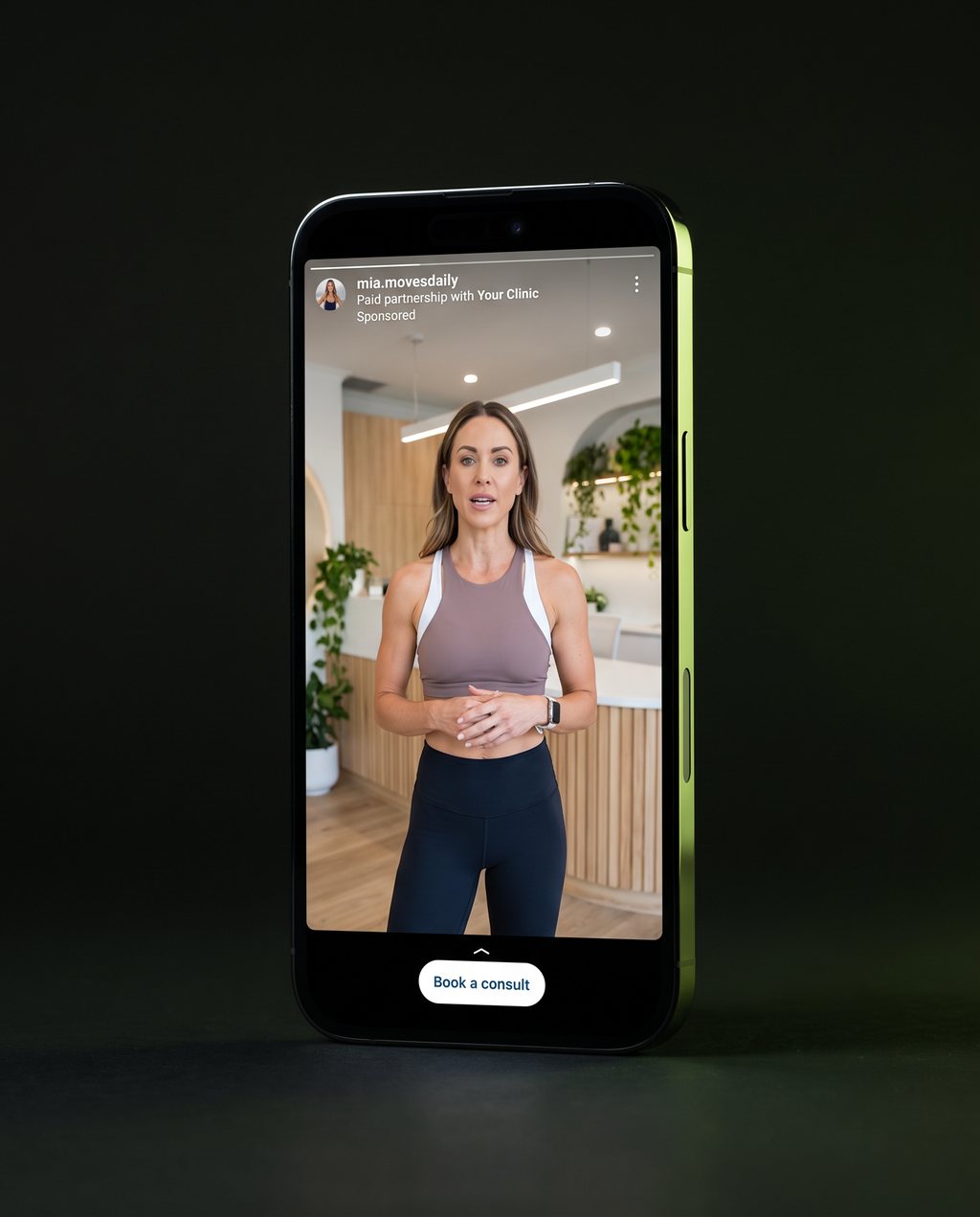
The creator tags your business as a partner. You run their post as an ad from their account, targeted like any campaign, with the label Meta puts on it. Meta used to call these branded content ads.
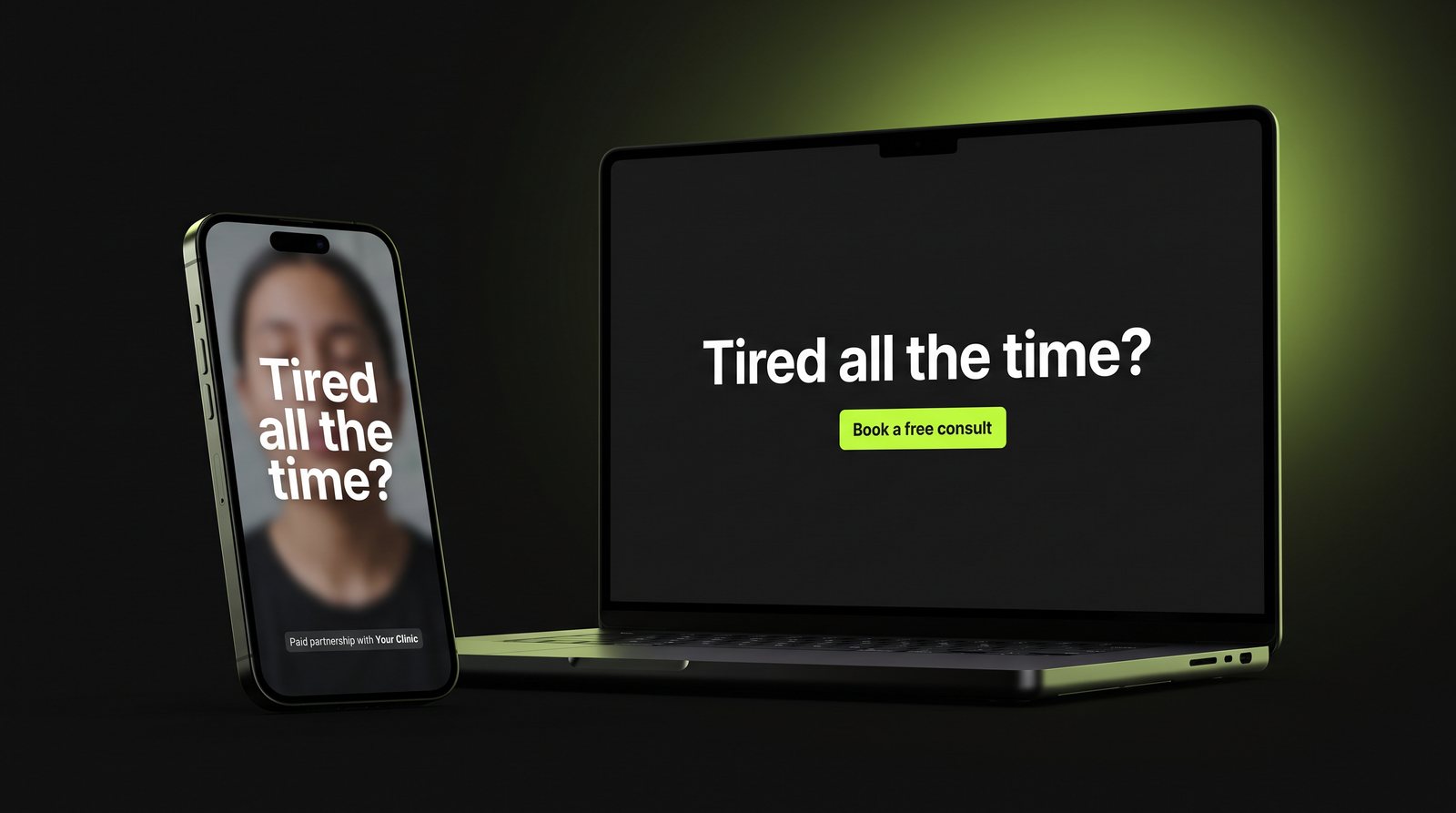
What the viewer sees: the creator's name, then "Paid partnership with Your Business," then your button.
TikTok Spark Ad
Their video, boosted by you.
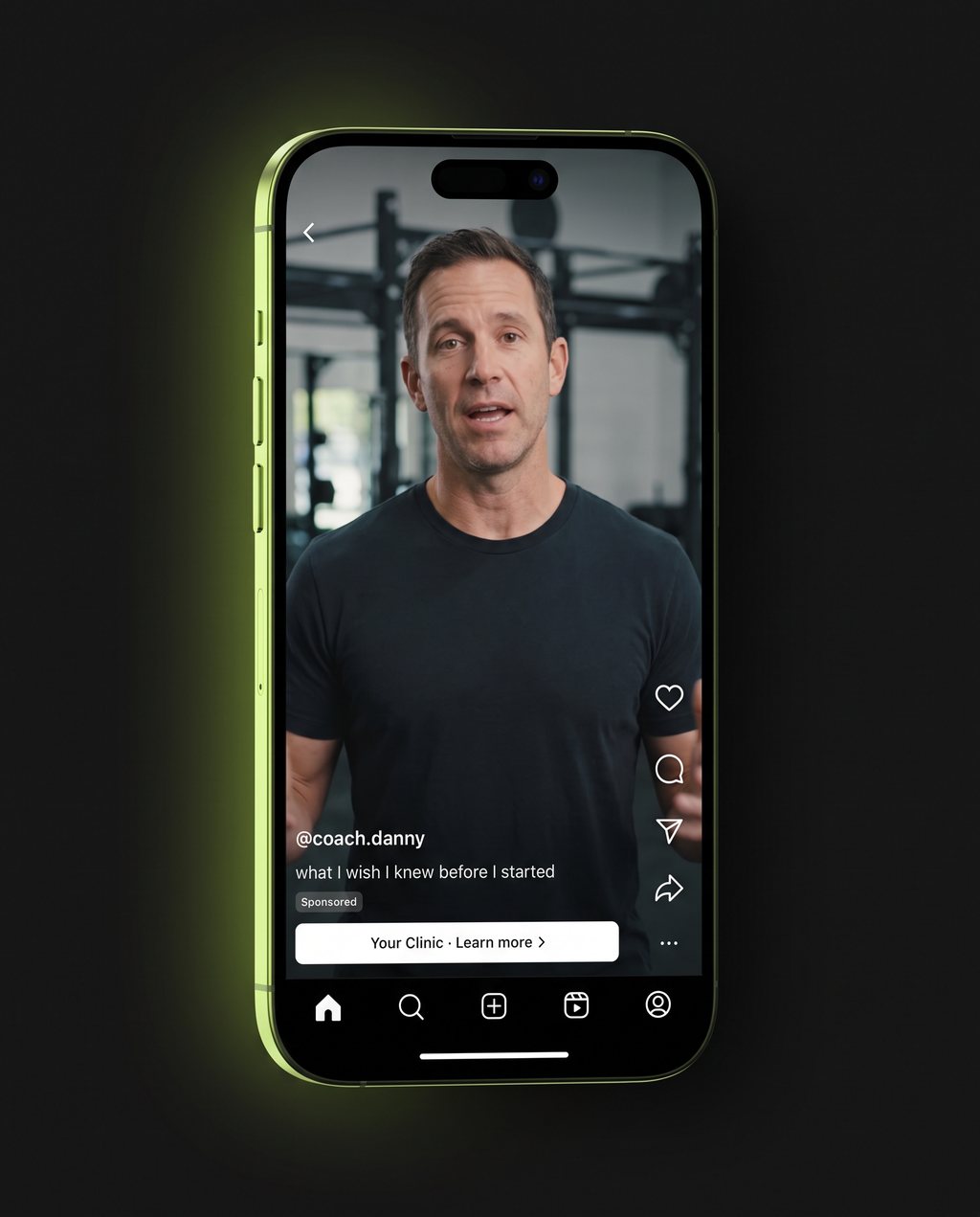
The creator turns on ad authorization for one video and sends you a code good for 7, 30, 60 or 365 days. You run it from Ads Manager. Every like and comment stays on their original post, which is why the format works.
What the viewer sees: the creator's handle, a Sponsored tag, and your call to action.
UGC video
Made for your page, not theirs.
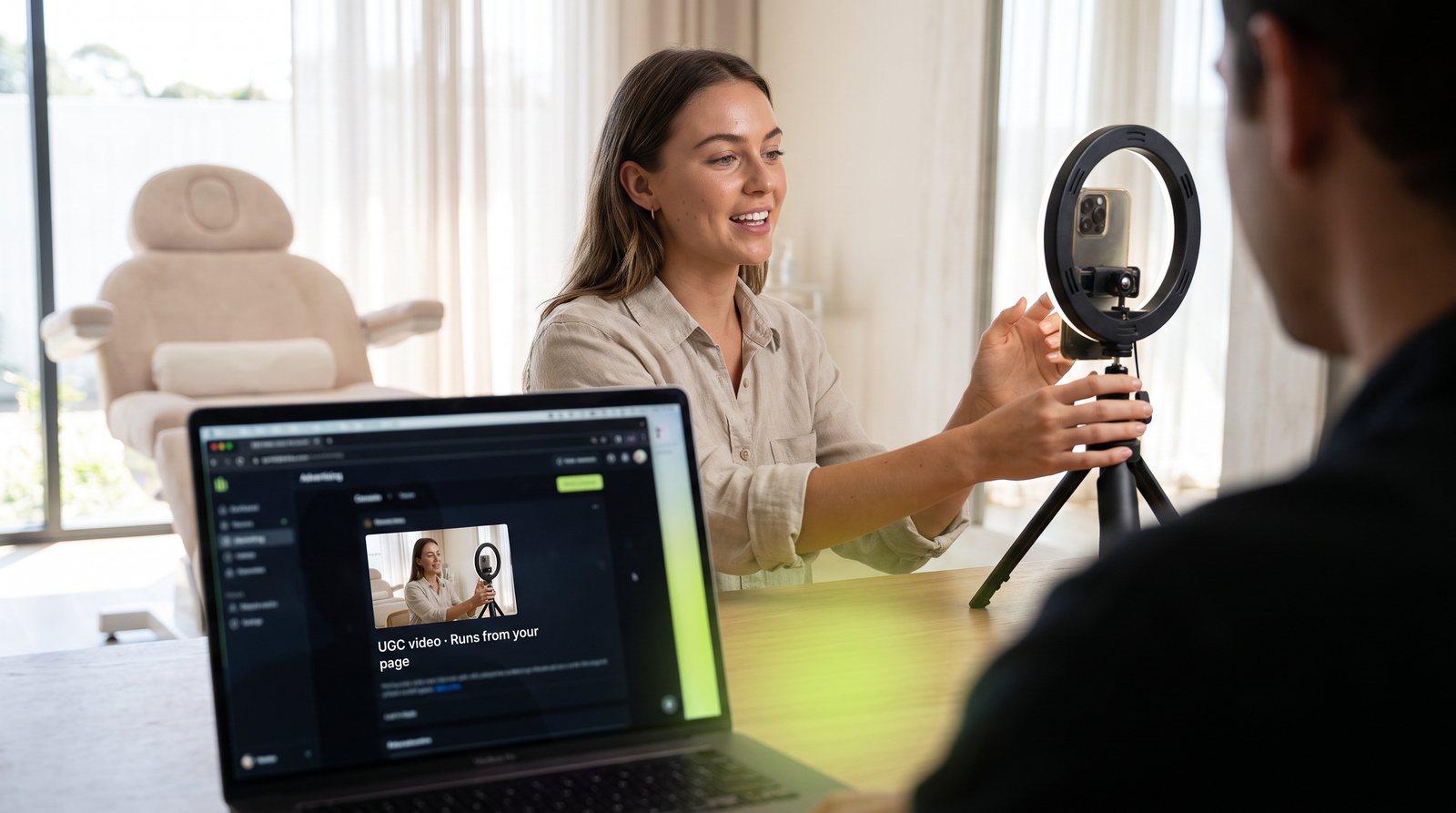
The creator films to our brief and hands you the video with usage rights. It runs from your own account, in your own ad account, and the creator never posts it. Cheapest per video, and it needs no permission code.
What the viewer sees: your business name, a real person talking, no partnership label.
Whitelisting, explained
Permission once. Ads for months.
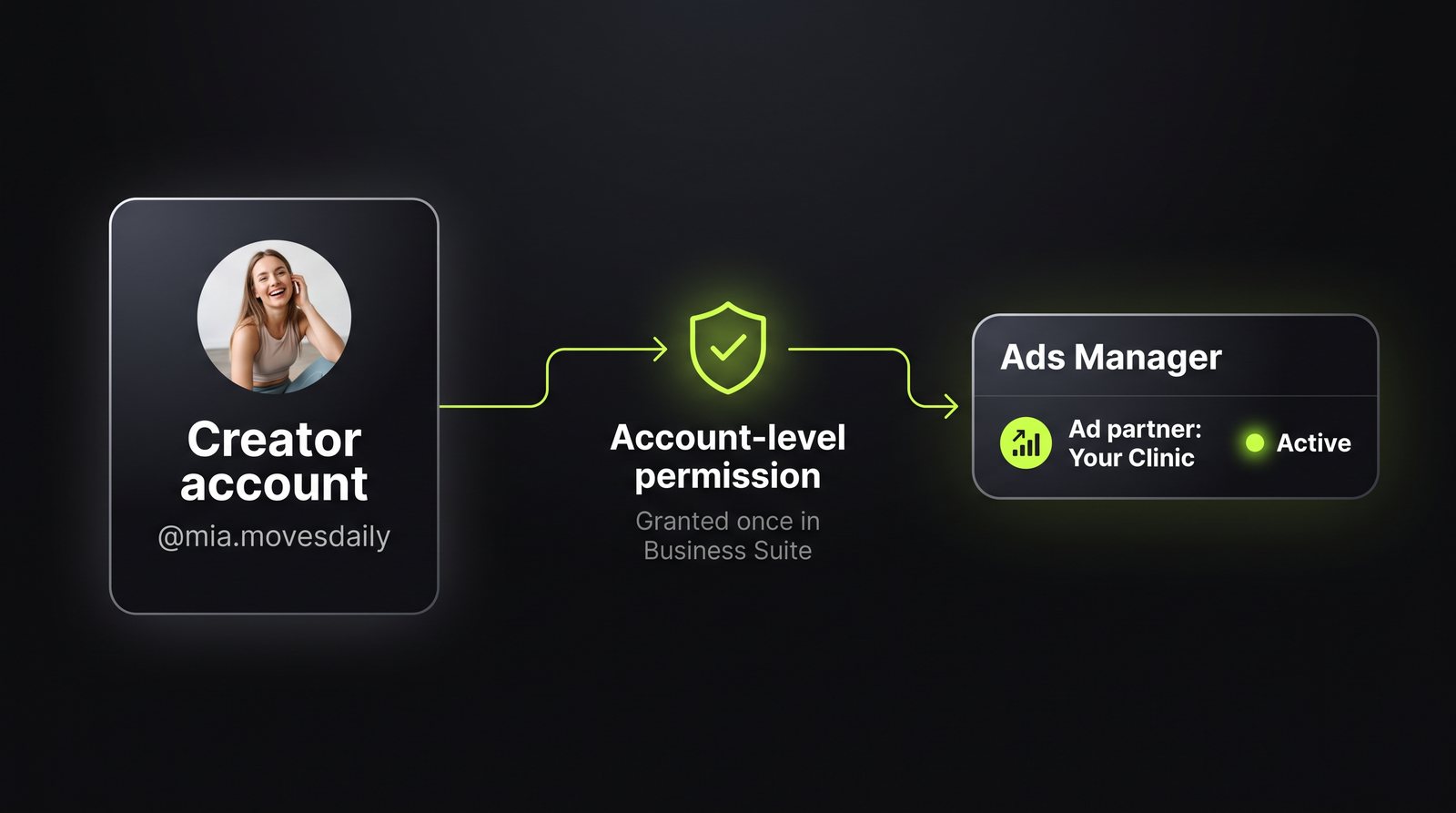
Whitelisting means the creator grants your business permission to run ads from their handle. On Meta that is an account-level permission the creator approves once in Business Suite, or a partnership ad code for a single post. On TikTok it is per video, on a timer the creator sets.
Ads run from a real person's page, not from a medical business page, which is where most clinic ad accounts get into trouble.
You can change the headline, the button and the targeting without asking the creator to repost.
The creator's post keeps every comment and share the ad earns.
It is a separate right and a separate fee: about 25 to 30 percent on top of the post per 30 days when asked, and creators charge about 39 percent more when ad rights are included ($307 against $221 on average, Collabstr 2025).
Meta vs TikTok, side by side
Meta partnership ad
TikTok Spark Ad
What the creator grants
Account-level permission in Business Suite, or a partnership ad code for one post
Ad authorization on one video, sent to you as a code
How long it lasts
Account-level permission stays until the creator removes it
7, 30, 60 or 365 days, the creator picks
What the viewer sees
Creator's name, "Paid partnership with Your Business," your button
Creator's handle, a Sponsored tag, your call to action
Where the engagement goes
To the ad you built from their handle
To the creator's original post, every like and comment
Can you change the copy
Yes: headline, button, targeting, without a repost
Targeting yes; the video runs as posted
The platforms we run this on
Three platforms. One playbook.
Every creator post ends up as an ad you control, run from the creator's own account. Here is what each platform calls it, what the creator has to grant, and what it costs to add.
Instagram and Facebook
Partnership ads
The ad runs from the creator's account with a Paid partnership label naming your business. You build and target it in Ads Manager like any campaign.
Permission once at account level in Business Suite, or per post with a partnership ad code
Headline, button and targeting can change without a repost
Ad rights add about 25 to 30 percent to the post fee per 30 days; creators charge about 39 percent more when ad rights are included ($307 against $221 on average, Collabstr 2025)
TikTok
Spark Ads
A native ad built from the creator's real post. Every like and comment stays on the original video.
Creator turns on ad authorization and sends a code good for 7, 30, 60 or 365 days
Runs from their handle with a Sponsored tag and your call to action
Targeting is yours; the video runs as posted
YouTube
Integrations and Shorts
Longer explainers from clinicians, reviewers and founders. The highest average paid post of the three, and the one buyers watch to the end. The paid path is different: through Google Ads creator partnerships, the video can run as an ad from the creator's own channel, including Demand Gen In-feed and Shorts placements.
Best for procedure depth, product demos and comparisons
Usage rights let you cut it down and run it on your own channels
Average paid integration $255, Collabstr 2026
How we pick the mix: before the first brief on your account we read the Meta Ad Library for your category once, so the first post is built on what is already winning for the loudest advertiser in your space, not on a guess.
What a creator actually costs
Most posts close under $300.
Rate guides quote high. Transaction data does not. Across 21,000 paid collaborations in Collabstr's 2026 report, nearly 80 percent of deals were under $300 and only 2 percent were over $1,000. You pay creators directly. We paper the deal, brief the creator and approve the work; we never invoice, hold, route or mark up creator money.
Creator size
Followers
Per post, organic
Add ad rights, 30 days
Who they are
Nano
Under 10,000
$150 to $400
Plus 25 to 30 percent
Local accounts, patients, staff, trainers. Where most clinic programs live.
Micro
10,000 to 100,000
$400 to $1,500
Plus 25 to 30 percent
City-level fitness, beauty and lifestyle creators with an engaged audience.
Mid
100,000 to 500,000
$2,000 to $5,000
Negotiated
Regional names. Rarely worth it for a single-location business.
Credentialed
Any size
40 to 60 percent above tier
Negotiated
An MD, RD, PT or licensed clinician on camera. Only when the program needs one.
Budget rule: two posts a month with 30-day ad rights runs about $400 to $1,000 per small creator, up to about $3,000 for a larger one. Collabstr's average paid post in 2026 was $193 on Instagram, $186 on TikTok and $255 on YouTube.
Source: ANA, Influencer Marketing Agency Compensation, survey of 84 client-side marketers fielded October to December 2025, reported February 2026. That sample skews to large advertisers, half of them spending over $100 million a year. At PELORA the management fee is fixed at $4,500 a month, so on a small program our share is higher than 30 percent and on a large one it is lower. Either way it sits on its own line of your invoice. Creator fees never appear on it, because you pay creators directly.
Where 21,000 paid deals actually closed, Collabstr 2026
Nearly 80%under $300
$301 to $1,000
2%over $1,000
Per post, organic, by creator size
Nanounder 10,000
$150 to $400
Micro10,000 to 100,000
$400 to $1,500
Mid100,000 to 500,000
$2,000 to $5,000
$0$5,000
Who gets paid what
YouApprove every creator and every fee before it is paid. You get one invoice from us, for our fee only.
Creators, paid by youYou pay creators directly. We paper the deal, brief the creator and approve the work; we never invoice, hold, route or mark up creator money.
A creator filming an unlabeled product on a phone. Every step below turns this into an ad that runs from their account.
What we do for the fee
Six steps. Every creator.
We scope the search at about 30 accounts for every one we expect to sign. This is the work between "we should use creators" and a post that is live, legal and pointed at a page that converts.
1
Find and vet
Audience quality, fake-follower rate, past sponsors, brand safety. We scope about 30 accounts for every one we expect to activate, and you see the shortlist before anyone is contacted.
Week 1
2
Negotiate and contract
Rate, deliverables, usage rights and exclusivity on our standard agreement. About six message rounds per deal.
Week 1 to 2
3
Brief
What they can say, what they cannot, the one idea the post is about, and the page it points to. Posted in a shared channel with the creator.
Week 2
4
Review, twice
Every post is read before it goes live, two rounds, 48-hour turnaround. Claims, disclosure, and anything a platform or a board could object to.
Week 2 to 3
5
Run it as your ad
Permission requested, ad built from their handle, targeted, and pointed at a page built for that ad.
Week 2 to 4
6
You pay, we report
You pay each creator directly. We never invoice, hold, route or mark up creator money. We show you what each one earned: reach, clicks, code redemptions, cost per post.
Monthly
From signed to live
Week 1 to 2Outreach and rateAbout six message rounds per deal. Reply rates on cold outreach average about a third.
ThenContract and briefStandard agreement, one round of redlines, the brief posted in a shared channel.
ThenTwo review rounds48-hour turnaround each. Claims, disclosure, and anything a board could object to.
Week 2 to 4Live, from their handlePermission requested, ad built, pointed at its own page. Most creators go live two to four weeks after signing.
Where the click goes
Every ad gets its own page.
The ad and the page say the same thing to the same person. Most agencies send every click to one general page. We build the page for the ad, which is why the click turns into a call.
Creator-run ads need this more than brand ads do. Someone who trusted a person for thirty seconds should not land on a menu of services.
Why health is priced differently
A person reads every post.
A wellness brand's creator post is governed by the FTC endorsement rules: disclose the relationship, do not claim what you cannot back up. A prescription product's post is also governed by FDA advertising rules, and FDA treats a paid creator's post as if the company wrote it.
What happened in 2026
FDA sent 30 warning letters to telehealth companies on March 3 and 25 more in the week of June 15 over compounded GLP-1 marketing, and named Instagram influencer partnerships specifically.
Our rules for prescription lines
Creators never name a drug, a dose, or a result. Messaging stays at the brand and service level. Every post is read and signed off before it goes live, and the disclosure log is kept.
What it costs
Prescription products add $1,000 a month to the program. That is about three times the compliance time of a wellness brand, and it is the reason a $3,500 program from a lifestyle agency is not the same product.
The rules, by category
Age gates, before-and-after, and what a creator may say.
Two questions come up on every clinic call. Meta requires 18-plus targeting for weight loss and cosmetic procedure ads, and before-and-after content follows the platform's rules for the category with written marketing authorization from the person shown. The page for your category spells out the rest.
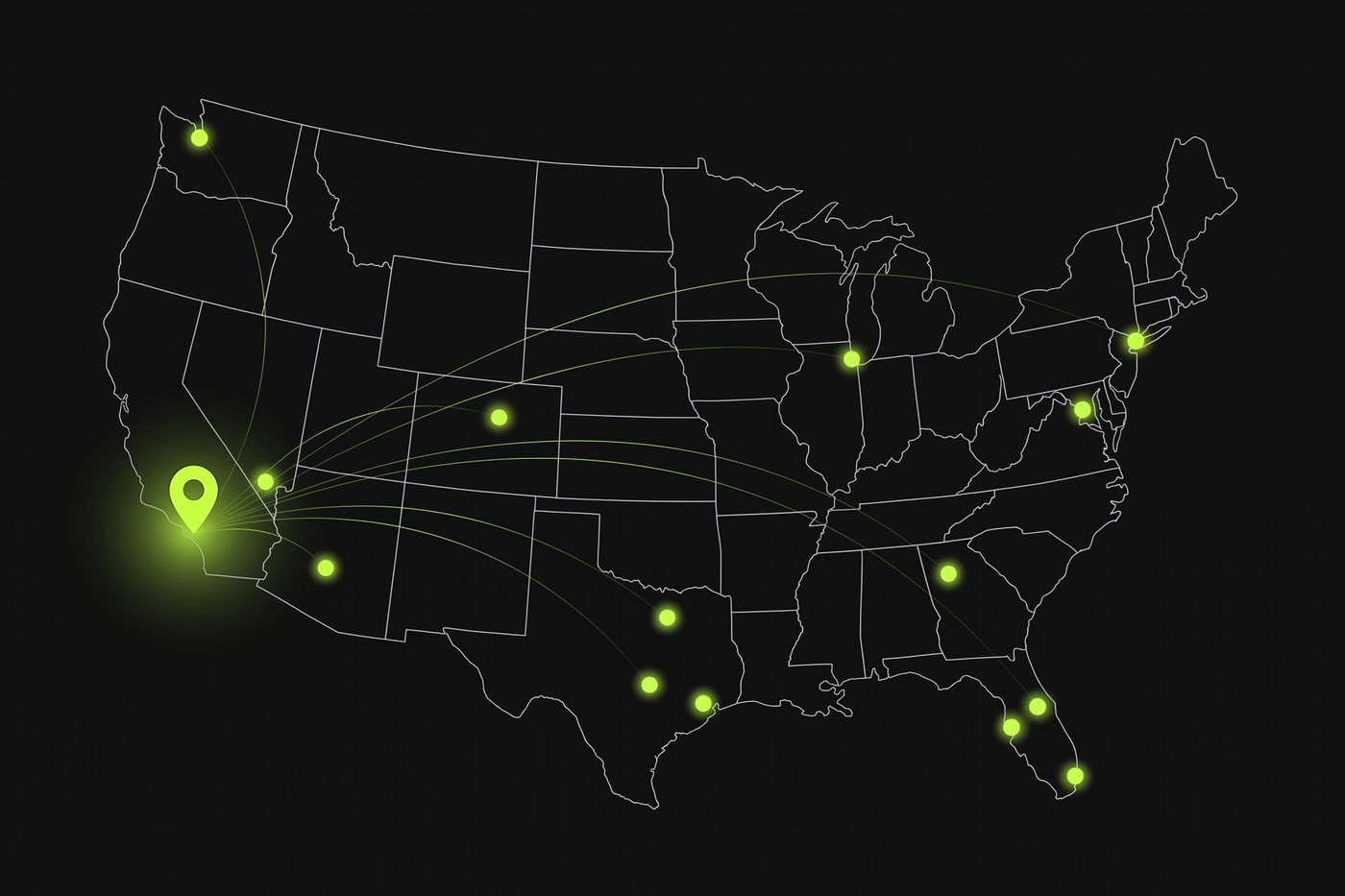
We run this from Newport Beach and we work remote with clinics and brands across the United States. We get calls from Florida and we do that work. Nothing in a creator program needs us in the room.
Creators get sourced in your city, wherever that is, because the ad has to sound local even when we are not. Meta and TikTok run the same from any state. What changes is the platform rule for your category and the state rule for your license, and we read both before anything goes live.
CaliforniaFloridaTexasArizonaNevadaColoradoNew YorkAnywhere in the US
Pricing
Included from $14,000. Or added to any tier.
Creator fees are separate: you pay creators directly, and we never invoice, hold, route or mark up creator money. The prices below are the management: finding, contracting, briefing, reading, running and reporting.
Inside a retainer
Enterprise
$14,000 a month and above, included
Influencer and paid partnership ads, sourced and managed, are part of the Enterprise tier and every tier above it. Creator fees are on top, paid by you directly to each creator.
Creator program
$4,500
a month, attached to any tier
Up to five creators live in any month. Find, vet, contract, brief, two review rounds, run from their handle, monthly report. You pay creators directly. Prescription products add $1,000 a month.
UGC videos
$5,500
a month for 8 videos
Eight finished creator videos to our brief, with rights for your own channels and your ads. Extra videos $500 to $750 each.
A TRT clinic, a med spa, a supplement brand and a wealth manager do not use the same creators, the same platforms or the same rules. Each page below says who, where, and what they can say.
How much does influencer marketing cost for a clinic or a small brand?
Two numbers. The creators: most paid posts close under $300, and a small account with 30-day ad rights runs about $400 to $1,000 a month. The management: $4,500 a month attached to a retainer, or included at Enterprise, $14,000 a month, and above. You pay creators directly; we never invoice, hold, route or mark up creator money.
Is influencer marketing worth it for a local business?
It is when the creators are local and the ad lands on a page built for it. Nano and micro creators drive the best results for a single-location business because their followers are close enough to book. We report reach, clicks, code redemptions and cost per post every month, so you see the answer in your own numbers rather than an industry average.
How do you find the right creators?
Discovery tools first, then a person. We plan the search at about 30 accounts for every one we sign: audience quality, fake-follower rate, past sponsors, and whether their audience is actually in your city. You see the shortlist before anyone is contacted.
How do creators get paid, and do we need a contract?
Yes. Every creator signs an agreement we prepare, covering deliverables, usage rights, exclusivity and disclosure. You pay creators directly. We paper the deal, brief the creator and approve the work; we never invoice, hold, route or mark up creator money.
What does the FTC require on a creator post?
A clear disclosure that the post is paid, placed where a viewer sees it without tapping more. The rule applies to nano creators and free product the same as to big accounts. We check disclosure on every deliverable and keep the log.
Can a patient or client appear in a creator post?
Only with written authorization for marketing use, which is a different document from a treatment consent. That covers identifiable details, not just a name. Before-and-after content also follows the platform's rules for the category. We read every post for this before it runs.
Do we have to be in California to work with you?
No. We run this from Newport Beach and work remote with clinics and brands across the United States. Creators get sourced in your city, wherever that is. We get calls from Florida and we do that work.
How long until a creator post is live?
Outreach and negotiation take one to two weeks, then the contract, the brief and two review rounds. Most creators go live two to four weeks after signing.
Can we use the creator's video on our own page and in our own ads?
That is a usage right, and it is written into the agreement. Basic rights let you repost it and run it from your own account. Running it from the creator's handle is a separate right, usually 25 to 30 percent on top per 30 days, and creators charge about 39 percent more when ad rights are included ($307 against $221 on average, Collabstr 2025).
What is a Meta partnership ad?
An ad that runs from a creator's Instagram or Facebook account with a Paid partnership label naming your business. The creator grants permission once at the account level in Business Suite, or per post with a partnership ad code, and you build and target the ad in Ads Manager. Meta used to call these branded content ads.
What is a TikTok Spark Ad?
A native TikTok ad built from a creator's real post. The creator turns on ad authorization for that video and sends you a code that lasts 7, 30, 60 or 365 days. The ad runs from their account and every like and comment stays on the original post.
What does whitelisting mean?
The creator gives your business standing permission to run ads from their handle. You can change the headline, button and targeting without a repost. It is a separate right from the post itself and usually adds 25 to 30 percent per 30 days; creators charge about 39 percent more when ad rights are included ($307 against $221 on average, Collabstr 2025).
How much does a creator cost?
Most paid creator posts close under $300. Accounts under 10,000 followers run $150 to $400 a post, 10,000 to 100,000 run $400 to $1,500, and ad rights add about 25 to 30 percent per 30 days. You pay each creator directly, never through us, and you approve each one first.
Why is the management fee $4,500 a month?
We scope about 30 accounts for every creator signed, then each one is negotiated, contracted, briefed, read twice before going live, run as your ad, and reported. You pay each creator directly. Prescription products add $1,000 for the regulatory read on every post.
Do weight loss or cosmetic creator ads have an age restriction?
Yes on Meta. Ads for weight loss products and cosmetic procedures must target adults 18 and over, and prescription weight loss products fall under the drugs policy and need written permission. We set the targeting before the creator's post ever runs as an ad.
Can a creator post before-and-after images?
Within the platform's rules for the category, yes, with written marketing authorization from the person shown and no guaranteed result implied. Each category page above spells out what is and is not allowed, and every post is read against it before it goes live.
Is influencer marketing safe for a medical clinic?
It is when every post is read before it goes live and creators never name a drug, a dose or a result. FDA sent 55 warning letters to telehealth companies in 2026 and named influencer posts specifically. The ad also runs from a real person's page rather than a medical business page, which is where most clinic ad accounts get into trouble.