Influencer marketing for energy drink brands

Many creators. Adult audiences.

Many adult creators, each on a personal code, film the can in a real moment, run as ads from their accounts. Adult audiences only, no children on camera, and a disclosure on every post.

5.0 on Google, 11 reviews

Nearly80%of paid creator posts close under $300
18+TikTok's audience limit on energy drink creator posts
400 mga day, the caffeine level FDA cites for most adults as not generally tied to negative effects
  • 5.0 on Google, 11 reviews
  • Pelora Marketing does absolutely incredible work.Melissa B., Google review
  • $5M+ad spend managed
  • $15M+raised across his own companiesFounder Preston Durnford

UpdatedSeptember 26, 2026Platform and regulator rules read at the sources listed at the bottom

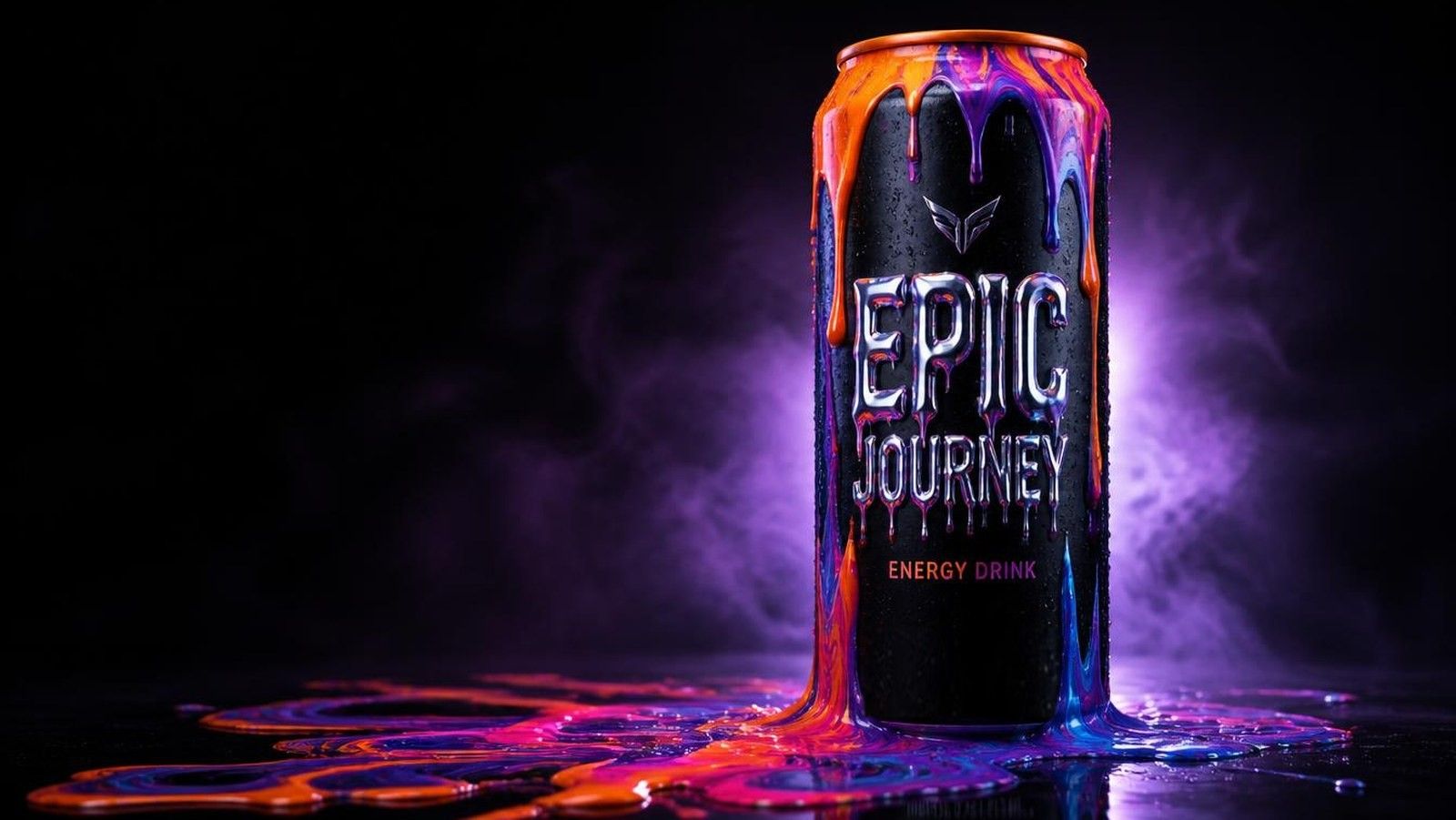
Epic Journey energy drink can with orange, purple and blue liquid melting down matte black aluminum, in house brand and product render produced by PELORA Marketing

Influencer marketing for energy drink brands means many adult creators, each on a personal code, filming the can in a real moment, run as ads from their accounts. The rules: adult audiences only, no children on camera, no chugging or mixing with alcohol, no energy claim the caffeine cannot back, and a disclosure on every post, free cases included.

For energy drink brands

Who drinks it on camera, and where.

Who the creators are

Adults with adult audiences.

Gym, gaming, trades, night-shift and commuter creators. Gaming needs the most care, so we check its audience skews adult.

Where it runs

Meta for ads. TikTok for posts.

Partnership ads carry the paid reach. TikTok posts need TikTok's approval.

What they can say

FTC tier.

A disclosure on every post, and no energy or health claim the label cannot back.

Can say
  • A real moment in their day
  • The can in hand
  • Their personal code
Never says
  • Chugging
  • Mixing with alcohol
  • Children on camera
  • A claim the caffeine cannot back
What it looks like

Their morning. Your brand. One label.

The hook is a moment in their day, not a claim about the drink. Handle and brand are examples, not clients.

  • The creator's own handle, so it reads like a post
  • "Paid partnership" naming your brand
  • A shop button, never a health claim
Epic Journey energy drink can with orange and purple liquid pooling around its base
PELORA example
YC@your.creatorPaid partnership with Your Brand · Sponsored
“5am, no coffee. Here is what I reach for.”
Shop now →
Illustration by PELORA, with our in-house Epic Journey can.
Three ways to run a creator

Their can. Your ad.

Volume is the point, so a program can run all three at once.

Meta partnership ad

One post, run from their handle.

The creator tags your brand and sends a partnership ad code. Meta used to call these branded content ads.

What the viewer sees: the creator's name, then "Paid partnership with Your Brand," then your button.
Standing permission

New cuts, same handle.

A creator who converts grants your page permission once, at account level, so new cuts need no new code.

What the viewer sees: the creator's handle, a Sponsored tag, and your button.
UGC video

Made for your page, not theirs.

Creators film to our brief with usage rights, never posting it. Cheapest per video, which is how you test ten hooks for one flavor.

What the viewer sees: your brand name, a real person with the can, no partnership label.
The platforms we use

Meta and YouTube for ads. TikTok for creator posts.

TikTok ads are a separate add-on; an organic post reaches the creator's own audience.

Instagram and Facebook
Allowed, 18+ by choice

Partnership ads

You build and target it in Ads Manager like any campaign.

  • Permission in Business Suite, once at account level or per post with a code
  • We set the audience to 18-plus by choice; Meta's own age rule exempts general food products
  • Creators charge about 39 percent more when ad rights are included ($307 against $221 on average, Collabstr 2025)
TikTok
Restricted, 18+

Creator posts, approved first

TikTok lists energy drinks as restricted branded content: posts are limited to viewers 18 and older and should not feature children, and its brand requirements call for TikTok's explicit permission and creator deals through TikTok One.

  • The creator switches on TikTok's commercial content disclosure toggle on every paid or gifted post
  • Gifted cans and affiliate codes count as branded content on TikTok, the same as a fee
  • TikTok's ad policy bans energy drink ads in 17 markets; the United States is not one of them
YouTube
Allowed

Integrations and Shorts

Taste tests, training days and gaming sessions with the can in hand. Through Google Ads creator partnerships, the video can run as an ad from the creator's own channel, including Demand Gen In-feed and Shorts placements.

  • The creator switches on YouTube's paid promotion setting, which adds a disclosure label
  • YouTube lets a creator set a minimum viewer age on branded content, and we ask for 18

Before the first brief we read the Meta Ad Library once for energy drinks, to build the first post on what the category already runs.

What a creator actually costs

Most posts close under $300.

Nearly80%

Across more than 21,000 collaborations, nearly 80 percent of deals were under $300 and only 2 percent were over $1,000.

Nearly 80% under $300$301 to $1,0002% over $1,000
Source: Collabstr 2026 report, more than 21,000 collaborations.
Creator sizeFollowersPer post, organicAdd ad rights, 30 daysWho they are
NanoUnder 10,000$150 to $400Plus 25 to 30 percentGym regulars, gamers, shift workers and students, all adults. Where a drink program starts.
Micro10,000 to 100,000$400 to $1,500Plus 25 to 30 percentCity-level fitness, gaming and lifestyle creators with an engaged adult audience.
Mid100,000 to 500,000$2,000 to $5,000NegotiatedRegional names. Worth it for a launch city, rarely for a test.
CredentialedAny size40 to 60 percent above tierNegotiatedA registered dietitian or trainer on camera.

Budget rule: two posts a month with 30-day ad rights runs about $400 to $1,000 per small creator, up to about $3,000 for a larger one. Collabstr's average paid post in 2026 was $193 on Instagram, $186 on TikTok and $255 on YouTube.

Who gets paid what

YouApprove every creator and every fee before it is paid. You get one invoice from us, for our fee only.
PELORA, $4,500The management: find, contract, brief, read, run, report. A fixed monthly fee.
Creators, paid by youYou pay creators directly, in cash or product. We paper the deal, brief the creator and approve the work; we never invoice, hold, route or mark up creator money.

Where an influencer dollar goes

Industry average
70% creators30% agency
Source: ANA survey of 84 client-side marketers, fielded October to December 2025 and reported February 2026, skewed to large advertisers, half spending over $100 million a year. PELORA's fee is fixed at $4,500 a month, so our share is higher than 30 percent on a small program and lower on a large one.
What we do for the fee

Six steps. Every can on camera.

  1. 1

    Find and vet

    About 30 accounts for every one we expect to sign. Audience age first, then fake followers, past sponsors and brand fit: the FTC's reviews rule bans buying fake followers or views for a commercial purpose. You see the shortlist before anyone is contacted; cold outreach replies average about a third.

    Week 1
  2. 2

    Negotiate and contract

    Fee or free cases, written down as payment, a personal code, deliverables, usage rights and exclusivity against other drinks, on our standard agreement. About six message rounds per deal.

    Week 1 to 2
  3. 3

    Brief

    One moment per post and the page it points to. Never: chugging, stacks of empty cans, mixing with alcohol, children on camera, or a better than coffee or doctor recommended line without proof.

    Week 2
  4. 4

    Review, twice

    Two rounds before it goes live, 48-hour turnaround: the disclosure, the audience setting, and every caffeine or energy claim checked against your label.

    Week 2 to 3
  5. 5

    Run it as your ad

    Permission requested, ad built from their handle on Meta, targeted 18-plus, and pointed at a page for that flavor. Most creators go live two to four weeks after signing.

    Week 2 to 4
  6. 6

    You pay, we report

    You pay each creator directly. We report reach, clicks, code redemptions and cost per new customer, by creator.

    Monthly
Epic Journey energy drink can with colored liquid melting down matte black aluminum under purple light, in house brand and product render produced by PELORA Marketing
An in-house can render by PELORA.
The rules for drinks

Adult audiences, honest claims, no chugging.

FDA says it "does not have a regulation specific to energy drinks." The rules that shape a creator post come from the platforms, the FTC and the industry's own code.

Audience

Adults only, no kids on camera.

ABA members, including Red Bull, Monster and Celsius, commit not to market energy drinks to children under 13, and not to buy advertising on television, radio or print, or on Internet and mobile media when audience data are available, where the audience is predominantly children. FDA notes that medical experts advise against energy drinks for children and teens.

Consumption

No chugging. No mixing.

The same code says members will not promote "excessive or unduly rapid consumption", and labels will not promote mixing with alcohol.

Claims

Proof for every energy claim.

A Washington court found 5-hour ENERGY ads misleading, including claims that doctors recommend it and that it beats coffee, and ordered nearly $4.3 million in penalties, fees and costs.

Map of the United States with Newport Beach, California marked
Where we work

Newport Beach office. Brands anywhere.

We work remote from Newport Beach with drink brands nationwide; nothing needs us in the room.

Creators come from where the can is sold, so viewers can find it in a nearby store.

CaliforniaFloridaTexasArizonaNevadaColoradoNew YorkAnywhere in the US
Pricing

Included from $14,000. Or added to any tier.

Creator fees and free product are yours and paid directly; we never invoice, hold, route or mark up creator money. The prices below are the management.

Inside a retainer
Enterprise
$14,000 a month and above, included

Sourced and managed influencer and paid partnership ads are part of Enterprise and every tier above it. Creator fees are on top.

Creator program
$4,500
a month, attached to any tier

Up to five creators live in any month. Find, vet, contract, brief, two review rounds, run from their handle, monthly report. Creator fees are paid by you, directly.

UGC videos
$5,500
a month for 8 videos

Eight finished creator videos to our brief, with rights for your own channels and your ads. Extra videos $500 to $750 each.

Questions

Asked by drink brands.

Can energy drink brands use TikTok influencers?
Yes, with limits. TikTok's Branded Content Policy, effective August 31, 2026, restricts energy drink creator posts to viewers 18 and older, and TikTok must approve your brand for the category first.
Can an energy drink creator have a young audience?
Not on our programs. We check each creator's audience before signing.
What can a creator say about caffeine and energy?
What your label and your evidence support. FDA cites 400 milligrams a day as an amount not generally associated with negative effects for most adults, so no post suggests drinking past it.
Do creators who get free cases have to disclose?
Yes. The FTC counts free or discounted product as a material connection, so a creator paid in cases discloses like a paid one. In 2023 FTC staff warned two trade groups, the American Beverage Association and the Canadian Sugar Institute, and 12 registered dietitians and other online health influencers over posts on aspartame and sugar that did not adequately disclose the influencers were apparently hired, citing civil penalties of up to $50,120 per violation for future failures to disclose.
Is an energy drink a supplement or a beverage for ad rules?
Usually a beverage: ABA members label energy drinks as conventional foods, not dietary supplements. That matters on Meta, whose 18-plus rule covers dietary and health products but exempts general food products.
What does a creator cost?
Most paid creator posts close under $300. Small accounts run $150 to $400 a post, micro accounts $400 to $1,500, and ad rights add about 25 to 30 percent per 30 days.
Who handles the agreement and the payment?
We write the agreement and the brief and approve every post. You pay each creator directly, product included; we never invoice, hold, route or mark up creator money.
Do you work with energy drink brands outside California?
Yes. We run this from Newport Beach and work remote with energy drink brands across the United States, and we get calls from Florida.
Before the first creator post

Get the first post right.

Fifteen minutes on your brand, your market and which creators fit. We will tell you what can run, where, and what every post must carry.

5.0 on Google, 11 reviews
