Home › Who We Serve › Supplement & Nutraceutical Brands
Supplement & Nutraceutical Marketing

We make supplement brands people actually reorder.

Product photography, video, paid media, Amazon and Shopify, and the claims discipline that keeps it all inside FTC and FDA advertising rules. For supplement, nutraceutical, greens, and functional beverage brands. Newport Beach based, working nationwide.

PhotographyPaid MediaAmazonRetention
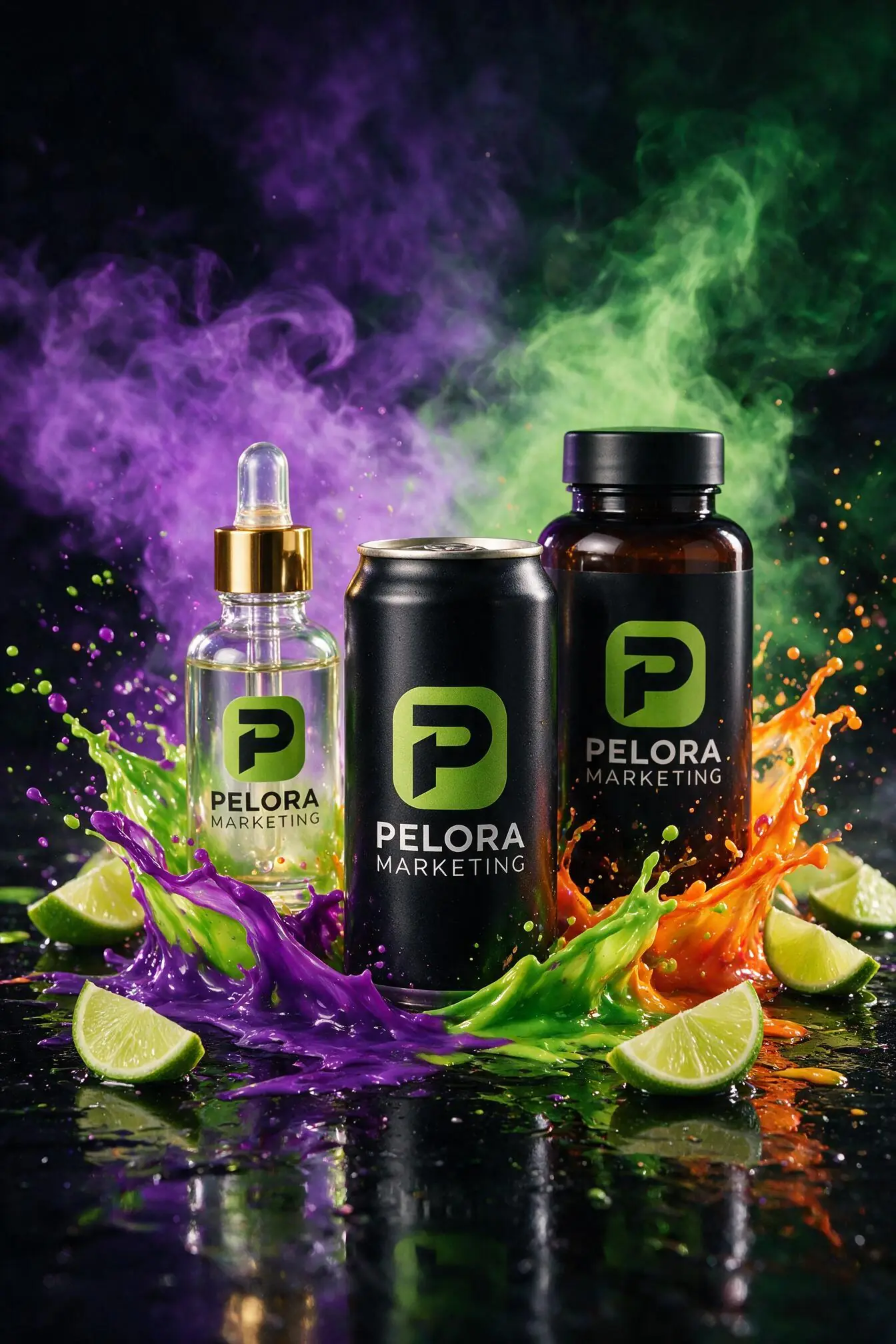
PELORA branded concept render: energy can, serum dropper bottle and capsule bottle with a colored paint splash
Concept by PELORAOur own brand, rendered by us

UpdatedNovember 2, 2026Pricing and process checked against our live pricing page

PELORA daily gummy vitamins jar with orange gummies falling around it on an orange checkerboard, in house packaging concept produced by PELORA Marketing
One of our own packaging concepts. Every label, claim and channel decision below is what we build on top of it.
$4,500where retainers start, three-month minimum
$0markup on your ad spend, ever. it goes straight to the platform
100,000+copies sold of a physical product our founder built and shipped himself
50states. we work with supplement brands nationwide
The short answer

PELORA Marketing is a supplement and nutraceutical marketing agency based in Newport Beach, California, working with brands nationwide. We produce the product photography and video, run the paid media on Meta, Google, TikTok and Amazon, build the Shopify and Amazon presence, and write the email and SMS that turn a first order into a subscription. Every claim we write is kept to structure/function language with the required FDA disclaimer, because a supplement ad that gets your account pulled is not a cheap ad. Retainers start at $4,500 a month with a three-month minimum, ad spend is billed to you directly and never marked up, and every engagement starts with a free Growth Check on a booked call.

01 · The real difference

Most agencies write the headline. We write the one that survives.

Dietary supplements are regulated as food, not as drugs. That means your product legally cannot be advertised as something that diagnoses, treats, cures, or prevents a disease, no matter how much your customers tell you it did exactly that. You get structure/function claims, you carry the FDA disclaimer, and the FTC expects competent and reliable scientific evidence sitting behind any health claim you make in an ad.

This is where general ecommerce agencies quietly cost supplement brands money. They write the highest-converting headline they can, it reads as a disease claim, and it works right up until the ad account gets restricted, the Amazon listing gets suppressed, or a warning letter shows up. Then the whole creative library has to be rebuilt.

We came to supplements through regulated verticals: behavioral health, med spa, hormone and peptide clinics. Marketing inside advertising rules is not a new constraint we are learning on your account. It is how we already work.

We publish our own research on this. We audited 30 DTC supplement brands and found that 87 percent mark up what their product is, while only 9 percent mark up the reviews that prove it works. Read the full study, methodology included. We also read the SEC filings of the three brands in this category that report marketing spend, and wrote up what they actually spend and where, plus a plain-language reference on what a supplement brand is not allowed to say.

To be direct about the limit of that: we are a marketing agency, not your regulatory counsel. We keep copy inside structure/function language, carry the disclaimer, and flag disease-claim language before it ships. Formal claim substantiation, label review, and legal sign-off belong with qualified regulatory counsel, and we work alongside yours.

02 · What you get

Everything a supplement brand needs to grow, from one team.

No handoffs between a creative shop, a media buyer, and an Amazon consultant who have never spoken to each other.

01

Product photography and video

Studio product shots, powder and liquid motion, lifestyle sets, and the short-form video paid social actually needs. One shoot day is scoped to produce a quarter of creative, not a single hero image.

02

Paid media that respects your margin

Meta, Google, TikTok, and Amazon Ads run to a cost-per-acquisition target set against your real unit economics. Ad spend goes straight to the platform with zero markup, and we tell you when a channel is not worth your money.

03

Amazon and Shopify, together

Listing copy, A+ content, and Amazon Ads on one side; Shopify product pages, subscription offers, and CRO on the other. Measured as one funnel instead of two teams blaming each other for the same customer.

04

Claims-aware copy and creative

Structure/function language, the required FDA disclaimer, and substantiation kept on file. Written to sell without writing a disease claim into your ad account.

05

Email, SMS, and subscription retention

First-order-to-subscription flows, replenishment timing built around your actual serving count, and winback. Supplements live or die on repeat purchase, not first purchase.

06

Brand identity and packaging

Positioning, identity system, label and packaging design, and the brand guidelines that keep a growing SKU line looking like one brand instead of six.

07

Influencer and creator marketing

We find and vet creators, reach out, contract them, and brief each one from your cleared claims list, each trying a different style and angle so we learn what sells. Every post is read before it goes live, every paid or gifted post is disclosed, and a creator says only what your label can say. The best videos run as your ads where the platform's rules allow creator content for your product. It is included from $14,000 a month, or added to any plan below that. See how creators work, further down this page, and our influencer marketing page.

03 · The creative

This is the caliber of product work we make.

Labeled honestly: Real means we produced it for our own brand or a client. Concept means it is art direction we made for ourselves to show range. No invented client logos, no fabricated case studies.

Our own brand as a concept render. Can, dropper and capsule bottle in one set, PELORA branded, produced by us.Concept

Our own brand, rendered as a concept

Can, dropper, and capsule bottle in one set. PELORA branded, rendered by us.

PELORA branded pink marine collagen powder tub with roses and a gold spoon, in house packaging concept produced by PELORA MarketingConcept

Capsule bottle, editorial light

Clean daylight set for a daily essentials SKU, blank label. Art direction study, rendered as a concept.

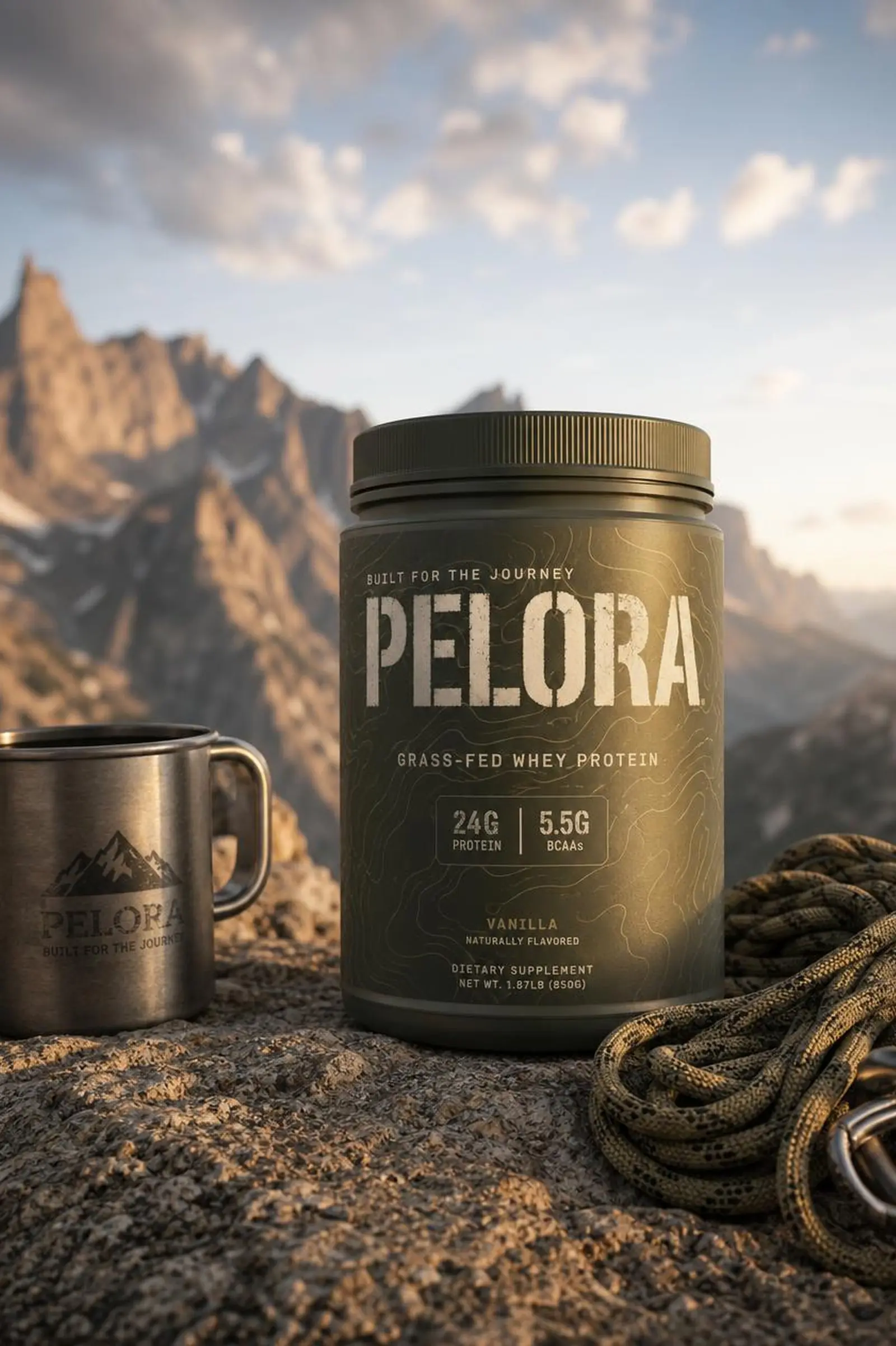
PELORA branded grass fed whey protein tub on rock with a camp mug and mountains behind, in house packaging concept produced by PELORA MarketingConcept

Supplement bottle, daylight set

Blank label on stone, no claims, no name. Art direction study, rendered as a concept.

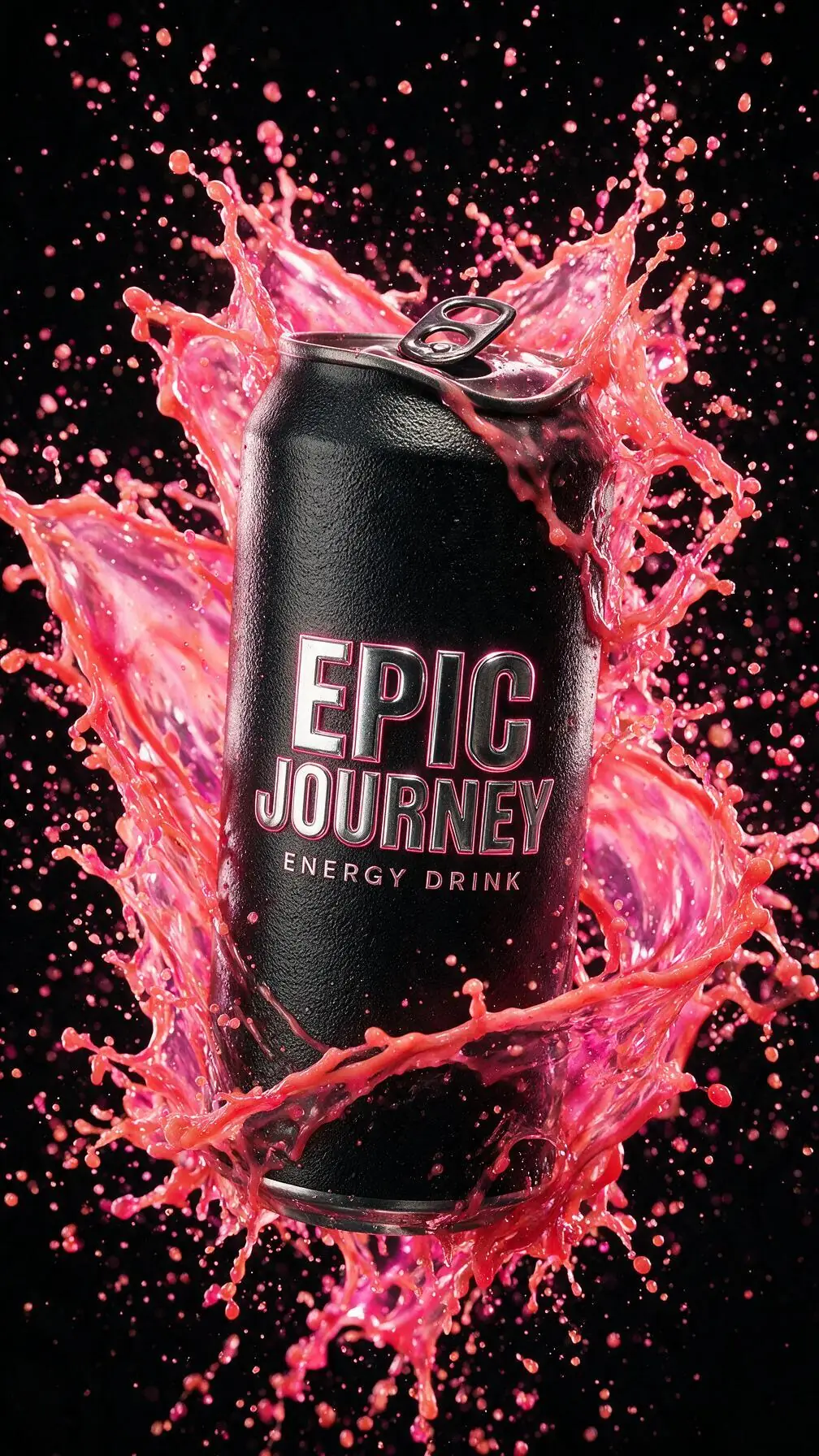
Concept energy drink can with a pink liquid splash, carrying the Epic Journey name.Concept

Epic Journey concept can

Liquid splash set for a concept can carrying our founder's company name.

04 · Pricing

Published pricing. Three-month minimum.

Most single-brand supplement clients land at Growth or Scale. Ad spend is billed to you directly by the platform and is never marked up by us.

Launch
$4,500
per month

Single brand getting paid media running properly. $4,500-$10,000 monthly ad spend.

Growth
$5,500
per month

Where most single-brand supplement clients land. $5K-$15K ad spend, creative library compounding.

Scale
$7,500
per month

Multi-SKU line running Amazon and Shopify together, two platforms, four campaigns.

Full Program
$11,000
per month

Six campaigns in market at once, with a named account manager on your brand.

How many ads you have to make to find one that works

Meta, $1.3 billion of spend
Creatives launched100
Become real winners5 to 8
Switched off before day 28About half

Winner rate and 28-day drop-off: Motion, Creative Benchmarks 2026, built on $1.3 billion in Meta spend, winner defined as a creative spending 10 times the account median, as reported by AdLiftr. Why volume matters: Nielsen Catalina Solutions measured about 500 campaigns and put creative at roughly 47 percent of sales lift, targeting at about 9.

What each PELORA tier produces a month, read against that rate

PELORA tiers, November 2026
Launch, $4,5005 creatives
Growth, $5,5008 to 12
Scale, $7,50012
Full Program, $11,00014
Enterprise, $14,00016
Full-Service, $20,00018, shoot monthly
Premier, $25,00020 + 5 video edits
Enterprise+, $35,00022 + 6 video edits
Elite, $50,00026 + 8, two shoots

At a 5 to 8 percent winner rate, 4 creatives a month finds a new winner every few months, 20 finds one or two a month, and 28 to 40 keeps a rotation running so a winner is replaced before it fatigues. PELORA tiers run 5 to 26 new ads a month. Prices: peloramarketing.com/pricing, checked November 12, 2026. Full detail on ad creative production.

05 · How it runs

Five phases, starting with a free Growth Check.

  1. 1

    Audit

    We look at your current creative, ad accounts, listings, and claims language, then tell you what is actually costing you money. Free, 48 hours.

  2. 2

    Plan

    Channel mix, creative plan, and target CPA modeled against your margin. You see the number before you spend it.

  3. 3

    Produce

    Shoot day and creative build. You get the asset library, and you own every file.

  4. 4

    Run

    Campaigns live, measured weekly against CPA and contribution margin, not vanity reach.

  5. 5

    Compound

    Winning creative gets iterated, losing creative gets cut, and retention flows pick up the customers paid media already bought.

What it costs

Supplements and CPG: what a customer costs to win, what one is worth, what you can pay.

$219gross profit one customer brings over 1 year, at the calculator's starting values
$73the most you can pay to win one customer, a third of that profit
$63average order, first sale

Paid cost per new customer: $36 to $73 (MHI Growth Engine, Triple Whale, Polar Analytics). The three tiles are the calculator's starting values for this type, 1 of its 5 inputs labeled assumptions there, estimates rather than figures measured for this type; change any input to yours.

Supplement advertising, by the rules

How does supplement advertising work under so many rules?

PELORA offers supplement brands advertising where every claim has real proof behind it and none of them reads as a disease claim. Each ad platform then adds its own rules on age, weight claims and images. PELORA reads those rules live, writes the ads inside them, and points each ad to the page that matches it.

Supplements are hard to advertise online. That is the part we like.

Illustration: three identical blank jars in a row on a windowsill in soft daylight, the middle lid lit green, part of a daily routine
AI-generated illustration
FDA and FTC

What can a supplement ad legally say?

A supplement ad can say how an ingredient supports the body’s structure or function. It cannot claim to diagnose, mitigate, treat, cure or prevent a disease, unless it is an authorized health claim the product qualifies for.

FDA’s rule, 21 CFR 101.93, allows statements that “describe the role of a nutrient or dietary ingredient intended to affect the structure or function in humans,” as long as they are not disease claims. On the label, each one carries this disclaimer, word for word, or one plural version covers several:

“This statement has not been evaluated by the Food and Drug Administration. This product is not intended to diagnose, treat, cure, or prevent any disease.”

The trap is the claim you never meant to make. One of FDA’s ten tests says a claim can be implied by “The name of the product” or “Use of pictures, vignettes, symbols, or other means”. Yes, the name on the jar has to pass too. A disease claim on the label means FDA regulates the product as a drug, unless it is an authorized health claim the product qualifies for.

FDA lists 10 ways a supplement claim becomes a disease claim

FDA lists 10 ways a supplement claim becomes a disease claimTen numbered items from 21 CFR 101.93(g)(2), paraphrased: (i) Acts on a specific disease or class of diseases; (ii) Acts on a disease’s signs or symptoms, in scientific or everyday words; (iii) Acts on an uncommon or harmful condition tied to a natural process; (iv) Implies it through the name, a known drug ingredient, a citation, the word or pictures; (v) Belongs to a product class meant to diagnose, treat or prevent disease; (vi) Substitutes for a product that treats a disease; (vii) Boosts a therapy or drug aimed at a disease; (viii) Plays a role in the body’s response to disease or its vector; (ix) Eases side effects of a disease therapy, when those effects are diseases; (x) Otherwise suggests an effect on disease.iActs on a specific disease orclass of diseasesiiActs on a disease’s signs orsymptoms, in scientific oreveryday wordsiiiActs on an uncommon or harmfulcondition tied to a naturalprocessivImplies it through the name, aknown drug ingredient, a citation,the word or picturesvBelongs to a product class meantto diagnose, treat or preventdiseaseviSubstitutes for a product thattreats a diseaseviiBoosts a therapy or drug aimed ata diseaseviiiPlays a role in the body’sresponse to disease or its vectorixEases side effects of a diseasetherapy, when those effects arediseasesxOtherwise suggests an effect ondisease FDA lists 10 ways a supplement claim becomes a disease claimTen numbered items from 21 CFR 101.93(g)(2), paraphrased: (i) Acts on a specific disease or class of diseases; (ii) Acts on a disease’s signs or symptoms, in scientific or everyday words; (iii) Acts on an uncommon or harmful condition tied to a natural process; (iv) Implies it through the name, a known drug ingredient, a citation, the word or pictures; (v) Belongs to a product class meant to diagnose, treat or prevent disease; (vi) Substitutes for a product that treats a disease; (vii) Boosts a therapy or drug aimed at a disease; (viii) Plays a role in the body’s response to disease or its vector; (ix) Eases side effects of a disease therapy, when those effects are diseases; (x) Otherwise suggests an effect on disease.iActs on a specific disease orclass of diseasesiiActs on a disease’s signs orsymptoms, in scientific oreveryday wordsiiiActs on an uncommon or harmfulcondition tied to a naturalprocessivImplies it through the name, aknown drug ingredient, acitation, the word or picturesvBelongs to a product classmeant to diagnose, treat orprevent diseaseviSubstitutes for a product thattreats a diseaseviiBoosts a therapy or drug aimedat a diseaseviiiPlays a role in the body’sresponse to disease or itsvectorixEases side effects of a diseasetherapy, when those effects arediseasesxOtherwise suggests an effect ondisease
Source: FDA, 21 CFR 101.93(g)(2), items (i) to (x), paraphrased by PELORA. GPO edition revised April 1, 2025, read October 23, 2026.

Proof comes first: the FTC’s half

The FTC wants proof behind every health claim in an ad. Its guidance says “Randomized, controlled human clinical trials (RCTs) are the most reliable form of evidence and are generally the type of substantiation that experts would require for health benefit claims.” And “the DSHEA disclaimer or similar statements won’t cure an otherwise deceptive ad.” (FTC guidance, our read of September 5, 2026.)

What this means for you: before we write a line, we ask for your label, the proof behind each claim, and the claim list your counsel cleared. We write from that list and nothing else.

Platform rules

What does each ad platform allow for supplements?

In the US policy pages we read, Google, Meta and TikTok ask for no certificate to advertise a standard dietary supplement. Each still keeps a list of what it will not run.

Every ad we build is written to the lines below, on Meta and in our Google Ads management. The long version: our supplement ad rules, platform by platform.

Google Ads, unapproved substances

“Google doesn’t allow the promotion of certain products, regardless of any claims of legality:” including “Herbal and dietary supplements with active pharmaceutical or dangerous ingredients” and “Products that imply they’re as effective as prescription drugs or controlled substances”.

For you: we check every ingredient against Google’s list, and Google says “This is not an exhaustive list”.

Healthcare and medicines and its unapproved list, read October 23, 2026

Meta, age

“Ads promoting or marketing dietary, health, or weight loss or weight gain products and services must be targeted to people at least 18 years or older.”

For you: every supplement ad set on Meta targets 18 and older.

Health and wellness, our read of September 5, 2026

Meta, personal attributes

Ads “must not contain content that asserts or implies personal attributes,” and health is one of them. Meta’s own banned example: “Depression getting you down? Get help now.”

For you: the copy describes the product, never the reader’s health.

Personal attributes, our read of September 27, 2026

TikTok, weight claims

“Any weight loss or muscle gain claims must be restricted to audiences aged 18 years or older, and must do so via the promotion of a healthy lifestyle.”

For you: weight or muscle claims run 18 and older, framed as part of a healthy routine.

Weight management and body image, read October 23, 2026

Prescription comparisons, by platform: on Google and on Amazon Ads, a supplement may not claim to be as effective as a prescription drug. Google’s line is quoted above; Amazon Ads prohibits “Claims that non-prescription products are as effective as prescription products.” (claims and substantiation, read October 23, 2026). We keep drug names out of supplement ads on every platform.

Weight claims and images

Can a supplement ad show weight loss or before-and-after?

It depends on the platform, and on the exact words and pictures.

Weight claims, before-and-after images and age, platform by platform
PlatformBefore-and-after imagesWeight claimsAge
Google AdsNo named ruleNo unrealistic loss in a set time or with little effortUnder 18: no personalized ads of any kind
MetaNo named ban; no pinching-fat close-upsNo copy that attacks how the reader looks; no timed promises without qualifiers18 and older
TikTokNot allowed where they may give a false or distorted impressionHealthy lifestyle framing; never the product alone18 and older for weight or muscle claims
Amazon AdsProhibited in its claims policyNo product-alone, rate or permanence promisesNo named age rule; placement limits apply

Sources: Google Ads unreliable claims and personalized advertising; TikTok weight management and misleading and false content; Amazon Ads claims and substantiation and its healthcare policy; all read October 23, 2026. Meta health and wellness, our reads of September 5, 23 and 27, 2026.

Our rule is simpler than all four: no before-and-after weight images, no pounds, no deadlines, on any platform. We show the product and the routine. The bathroom scale stays out of frame.

Amazon

What does Amazon require before a supplement can sell?

Amazon wants proof about the factory before it lets a supplement sell. Amazon’s dietary supplements policy, in our September 5, 2026 read, requires an outside audit for every supplement:

“Third-Party cGMP (Good Manufacturing Practice) audit or certification must be performed by an accredited third-party.”

The paperwork goes through a testing provider: “You will no longer submit documents directly to Amazon. Instead, the TIC provider will submit them on your behalf.” Supplements intended for bodybuilding, joint health, sexual enhancement, sports nutrition or weight management must also be tested for heavy metal and microbial contaminants and known adulterants.

Listings may not “State that the products have the same effects as controlled substances or prescription drugs, are alternatives to prescription drugs, or are just as effective as a prescription drug.”

What we do: confirm your testing is done before we build a listing or an ad. Amazon Ads management and listing builds are add-ons to any plan.

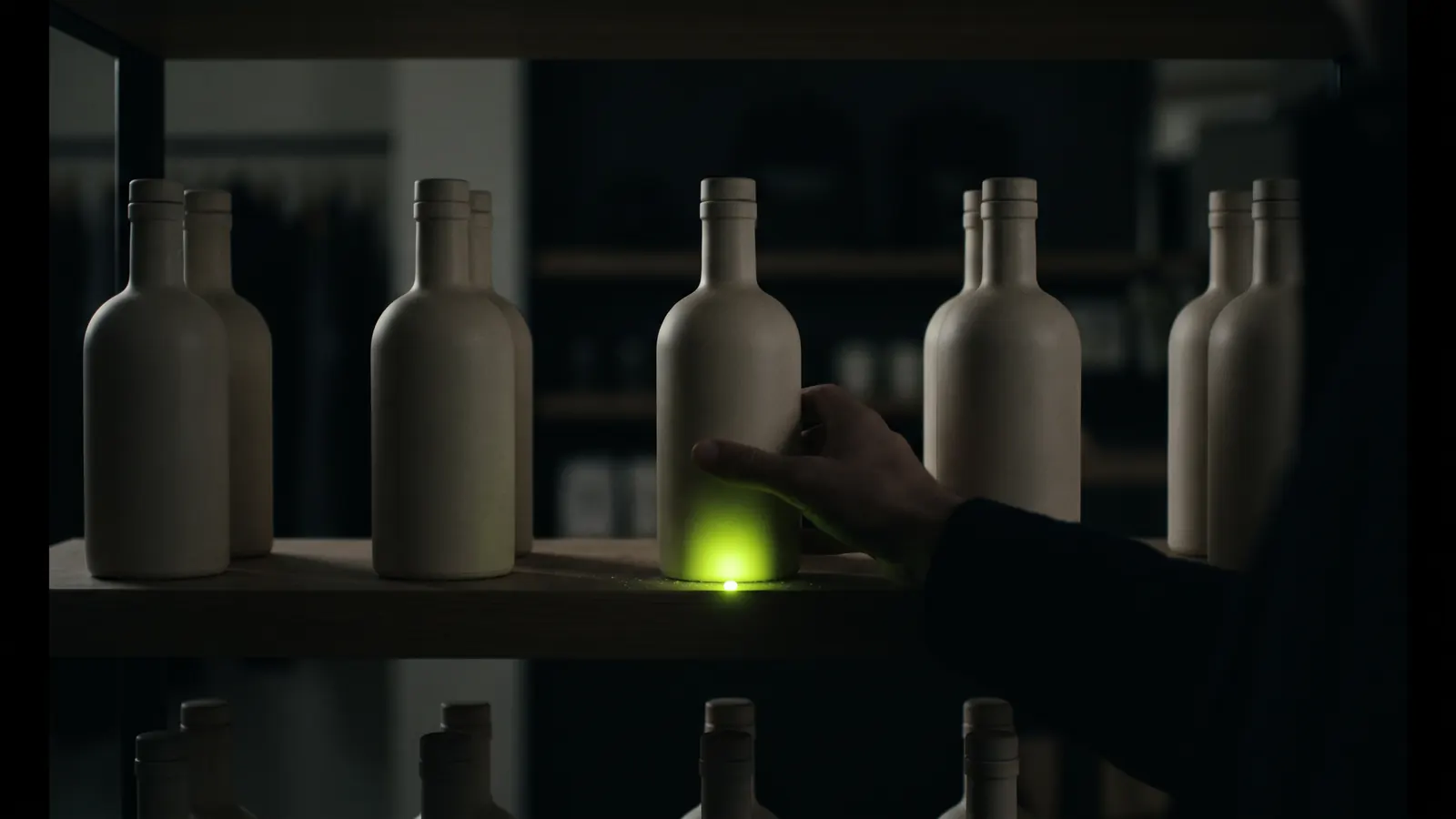
Illustration: rows of identical blank bottles on a store shelf, a hand reaching for the one lit green, the listing that has to pass first
AI-generated illustration
Supplement SEO

How does supplement SEO work in Google and AI answers?

Supplement SEO means writing the pages buyers and AI tools look for: your top products, your key ingredients, and plain answers to buying questions.

The claim rules come with you. The FTC’s guidance says “The FTC has primary responsibility for claims in all forms of advertising.” (our read of September 5, 2026). So your product pages and blog follow the same claim list as your ads.

  • Pages for your top products, with the Supplement Facts as text, not only in a photo.
  • Pages for your key ingredients that name and link the studies behind your structure or function claims, never a study about a disease.
  • Plain answers to what buyers ask: what is in it, how to take it, how it ships.
  • Product and review markup that matches what the page shows.

That is the work of our AI SEO for health brands.

How do you get supplement customers without relying on ads?

Search, creators, email and a marketplace listing all sell without an auction. They are slower than ads, and they keep working while an ad sits in review. For a model at scale, read how two supplement brands took market share from AG1.

Creators and reviews

How do creators and reviews stay inside FTC rules?

A creator can say what your label can say, with the paid or gifted connection disclosed, and nothing more. Three lines from the FTC’s Endorsement Guides set the limits for our product seeding program, quoted per brand.

  1. 01

    The creator inherits your claim list.

    An endorsement “may not convey any express or implied representation that would be deceptive if made directly by the advertiser.” (16 CFR 255.1) We brief every creator from your cleared claims and check posts against that list.

  2. 02

    Free product counts.

    Material connections “can include monetary payment or the provision of free or discounted products (including products unrelated to the endorsed product) to an endorser, regardless of whether the advertiser requires an endorsement in return.” (16 CFR 255.5) Gifted creators disclose, every time.

  3. 03

    One great story is not the average.

    An endorsement “relating the experience of one or more consumers on a central or key attribute of the product will likely be interpreted as representing that the endorser’s experience is representative of what consumers will generally achieve”. (16 CFR 255.2) A result story runs only when your proof backs it.

How to ask for reviews

Ask every buyer the same way, after the product arrives, and never trade a reward for a good one. 16 CFR 465.4 bars incentives “conditioned expressly or by implication on, the writing or creation of consumer reviews expressing a particular sentiment, whether positive or negative”.

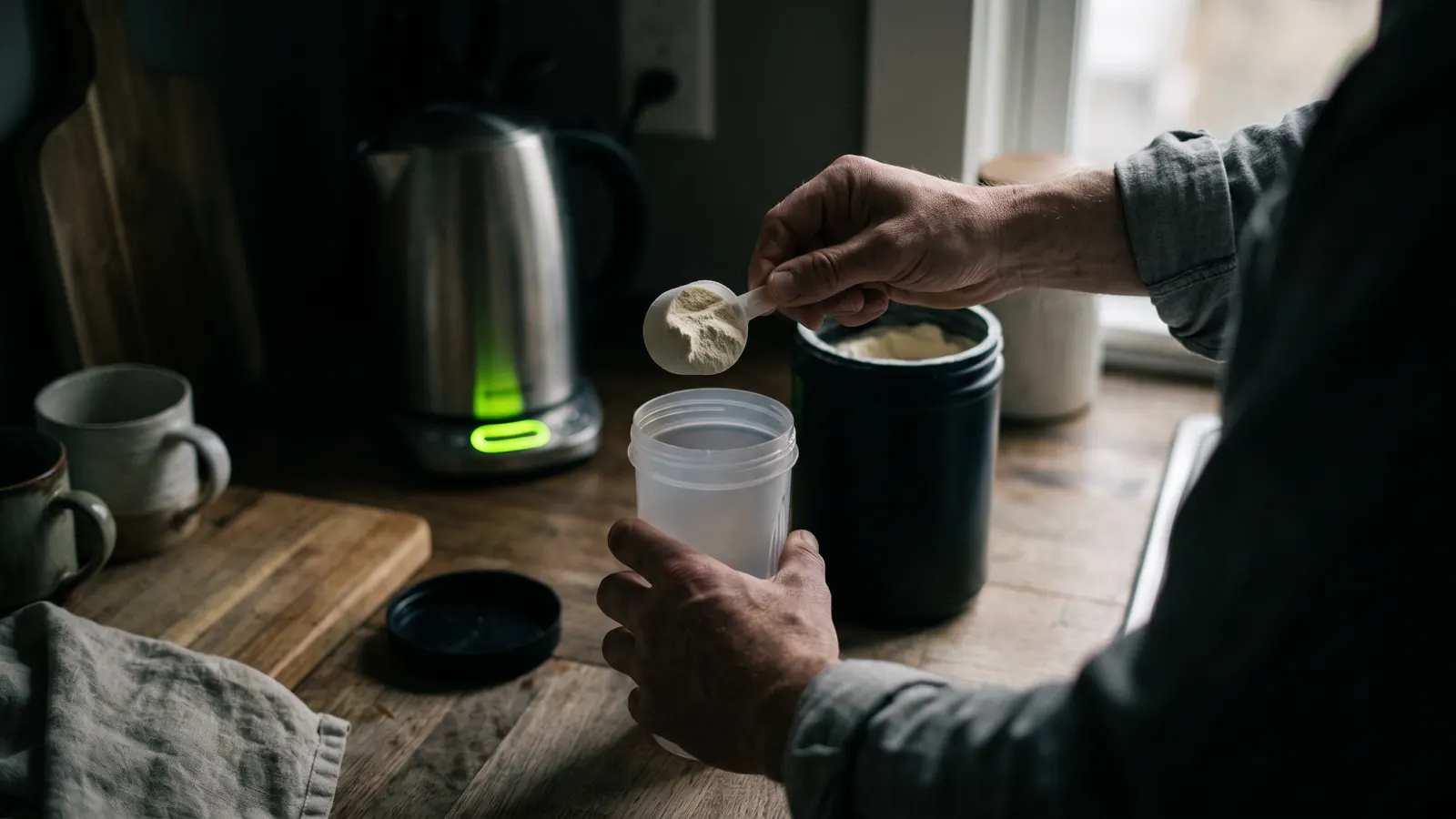
Illustration: hands scooping powder into a blank shaker on a kitchen counter, the kind of shot a creator films
AI-generated illustration
How we run it

What does a nutraceutical marketing agency do?

Ours starts with your claim list, reads the platform rules live, then tests creative inside both, one change at a time.

How do we run Meta ads for a DTC supplement brand?

Ad sets for 18 and older, copy about the product and never the reader’s health, and creative tested in small batches. A hook like Meta’s own banned example never makes the first draft.

What paid social platform delivers the best ROAS for supplements?

None by default. We start where your buyers already spend time, keep what wins on cost per new customer, read from your store once it is connected, set up with your counsel, and cut the rest. We never guess a cost per click. Before we suggest a budget, we pull your market’s numbers from Keyword Planner and run them through our ad spend calculator. For context, read what three public supplement and beverage brands report spending on marketing.

Plans run on Google, Meta or YouTube. TikTok Ads management and Amazon Ads are add-ons, and your proposal lists what is included.

We take dietary supplement and nutraceutical brands. We do not take research-use-only or unapproved drug brands. Supplements are one part of our healthcare marketing work.

Written by Preston Durnford, Founder and CEO. Guide added .

Images marked as illustrations were generated by PELORA and show no real product, brand or customer.

06 · Questions

Supplement marketing questions, answered straight.

What does a supplement marketing agency do?

It handles the parts of a supplement brand's growth that sit outside manufacturing: the product photography and video, the paid media on Meta, Google, TikTok and Amazon, the landing pages and Shopify or Amazon listing work, the email and SMS that turn a first order into a subscription, and the claims discipline that keeps all of it inside FTC and FDA advertising rules. The last part is what separates a supplement agency from a general ecommerce agency.

How is marketing a supplement different from marketing any other product?

Dietary supplements are regulated as food, not drugs, so you cannot claim a product diagnoses, treats, cures, or prevents any disease. That single rule reshapes every ad, landing page, email, and influencer brief you produce. Structure/function claims are allowed with the standard FDA disclaimer, disease claims are not, and the FTC expects competent and reliable scientific evidence behind health claims in advertising. A general ecommerce agency writes the winning-sounding headline. A supplement agency writes the winning headline that will not get your ad account or your listing pulled.

Do you handle FTC and FDA compliance for supplement ads?

We build claims discipline into the creative process rather than treating it as a final approval step: we work from your substantiation, keep copy to structure/function language, carry the required disclaimer, and flag anything that reads as a disease claim before it ships. We are a marketing agency, not your regulatory counsel or your compliance department. For formal claim substantiation, label review, and legal sign-off you should be using qualified regulatory counsel, and we work alongside them.

Do you work with supplement brands outside California?

Yes. PELORA is based in Newport Beach, California, and works with supplement and nutraceutical brands nationwide. The work is creative production, paid media, and lifecycle marketing, none of which requires us to be in your city. Product shoots either happen at our studio with product you ship us, or on location if the scope justifies travel.

Can you run Amazon and Shopify at the same time?

Yes, and for most supplement brands you should. Amazon captures existing demand from people already searching for your category, and your own Shopify store is where subscription economics and customer data actually live. They need different creative and different measurement, and the common failure is running one team's creative on the other's channel.

What does supplement marketing cost?

PELORA retainers run from $4,500 a month at Launch to $50,000 a month at Elite, with a three-month minimum. Most single-brand supplement clients land in the $5,500 to $7,500 range. Ad spend is billed to you directly by the platform and is never marked up. Product photography and video can be scoped as a standalone project if you want assets before you commit to a retainer.

How long before we see results?

Paid media gives you a real read inside 30 to 60 days, because you are buying traffic and can measure cost per acquisition almost immediately. Organic search and AI-answer visibility take longer, generally 90 to 180 days, because they depend on authority that accumulates rather than budget you can turn up. Anyone promising page-one organic rankings in 30 days is selling you something they cannot deliver.

Do you require an exclusive category lock?

No, but we will tell you plainly if we are already working with a brand that competes directly with yours in the same category, before you sign anything.

Who actually does the work?

Preston Durnford runs strategy and is on your calls. Creative production, media buying, and build work run through the PELORA team. You are not handed to a junior account manager after the sales call, and you are not talking to a BDR to reach us.

What do you need from us to start?

Product, substantiation for any health claim you want to make, access to your ad accounts and store, and whoever owns the P&L on a 30-minute call. If you have prior creative and campaign data, that shortens the ramp considerably.

07 · Go deeper

Related work and services.

In their words

Founders, in their words.

Verified and public on Google. Click any name to read it in full.

Verified · Google

“It genuinely feels like working with someone who cares about where your business is going.”

“We hired Pelora Marketing to help us build our business from the ground up and it has been one of the best decisions we’ve made. Preston and his team designed our website, set up our automations, and built an organic growth strategy tailored specifically to us.

We always feel heard. Every question gets a real answer and nothing gets glossed over. It genuinely feels like working with someone who cares about where your business is going.

If you’re an Orange County business owner looking for a team that actually shows up and delivers, look up Pelora Marketing. We can’t recommend them enough!”

K
Keisha M. Simon
Local Guide · 11 reviews · 3 photos
Verified · Google

“Communication was clear, they delivered exactly what was promised, and the results exceeded my expectations.”

“Pelora Marketing did a great job from start to finish. Communication was clear, they delivered exactly what was promised, and the results exceeded my expectations. Highly recommend them to anyone looking for reliable and professional marketing services.”

J
Jake Jennings
3 reviews

Let's make your supplement brand impossible to scroll past.

Free Growth Check. We look at your creative, your ad accounts, your listings, and your claims language, then tell you what is actually costing you money.

Influencer marketing, included from $14,000 a month

Creators run the ads now.

In supplements creators are the whole game: UGC first, brand statics as the anchor, a personal code per creator, and structure-and-function claims only. Eight finished creator videos a month is the package most brands start with.

What it costs

Most creators are under $300 a post.

Small accounts run $150 to $400, mid-size $400 to $1,500. You pay each creator directly, never through us, and you approve each one before it is paid.

What we do

We find them, brief them, and run them.

About 30 accounts reviewed for every one signed. We negotiate, contract, brief what they can and cannot say, read every post before it goes live, then run it as your ad from their handle.

Where it lands

Every ad gets its own page.

The ad and the page say the same thing to the same person. Most agencies send every click to one general page. We build the page for the ad, which is why the click turns into a call.

How creators work for supplements →Up to five creators, included from $14,000 or added to any tier.