HomeServices › Branding and Brand Identity
Branding and Brand Identity, Newport Beach

Brands built by peoplewho have to run them.

We name it, design it, then build everything it has to live inside. Packaging, photography, video, CGI, the website and the ads. Preston runs four treatment centers and sells a product he designed himself, so a brand that only looks good as a PDF was never an option here.

StrategyIdentityPackagingRollout
Branding - PELORA Marketing
Identity systemsBuilt to be run, not framed
33,000+copies sold of The Epic Journal, a brand we designed, built, photographed and still sell ourselves
4treatment centers Preston operates today, not as a client, as the owner
$16M+in assets sold across businesses, real estate and land
$0markup on your ad spend, ever. It goes straight to the platform
[ 01 ] The short answer

PELORA Marketing is a branding and brand identity agency in Newport Beach, California. We name brands, design the full identity system, then produce the packaging, photography, video, CGI, website and ad creative that identity has to survive inside. Most studios stop at the guidelines document. We keep going, because we run our own brands and never had the option to stop. Brand kits run $2,500 to $6,500, logos $1,500 to $3,500, and full programs are quoted at our $7,500 and $9,000 tiers. Ad spend is billed to you directly with no markup, you own every file, and every engagement starts with a free 48-hour Growth Audit.

[ 02 ] Not a portfolio, a track record

Brands we built, and still run.

Most studios show you logos. Here is the harder version: three brands we designed and then had to operate, sell through, staff, and answer the phone for ourselves. All three are still ours today.

Every one of these was designed, photographed, built and marketed by the same team. See the sites we built →

[ 03 ] The same room, twice

Nothing here changed except the decisions.

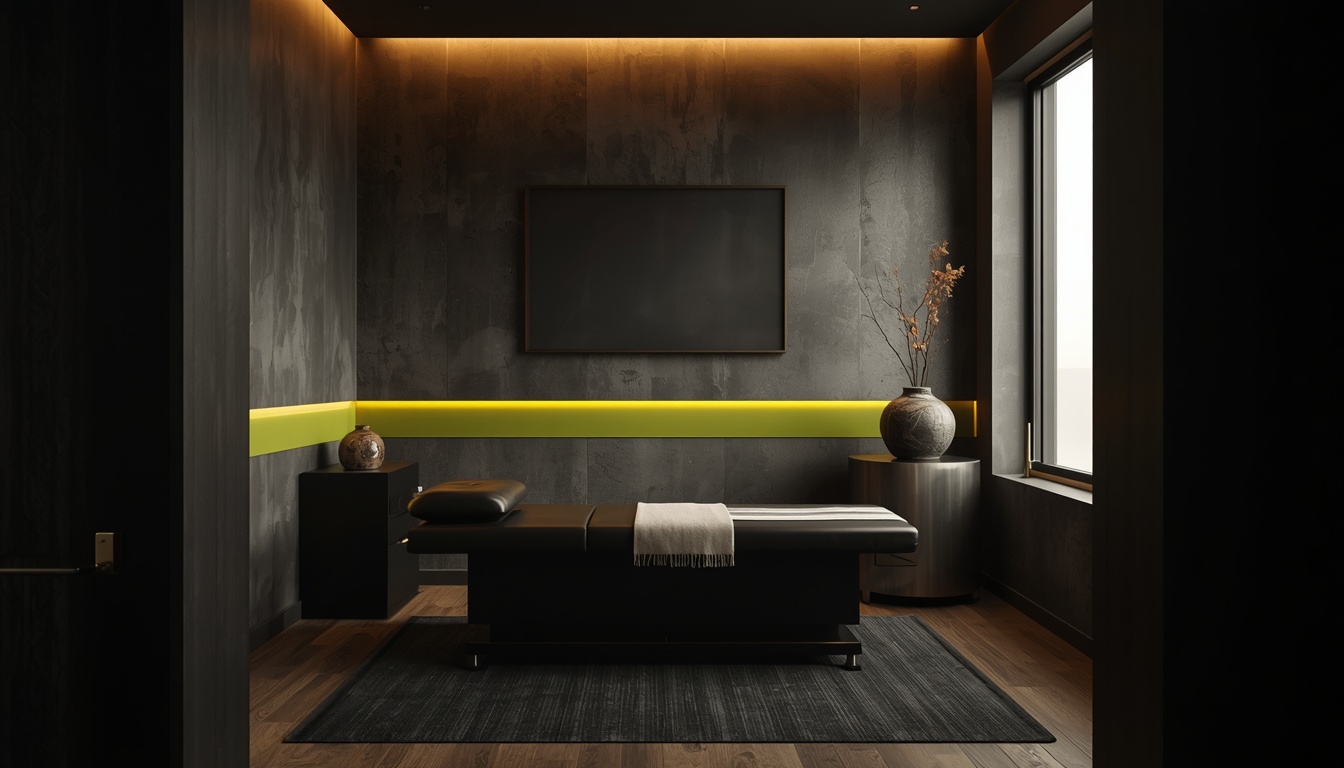
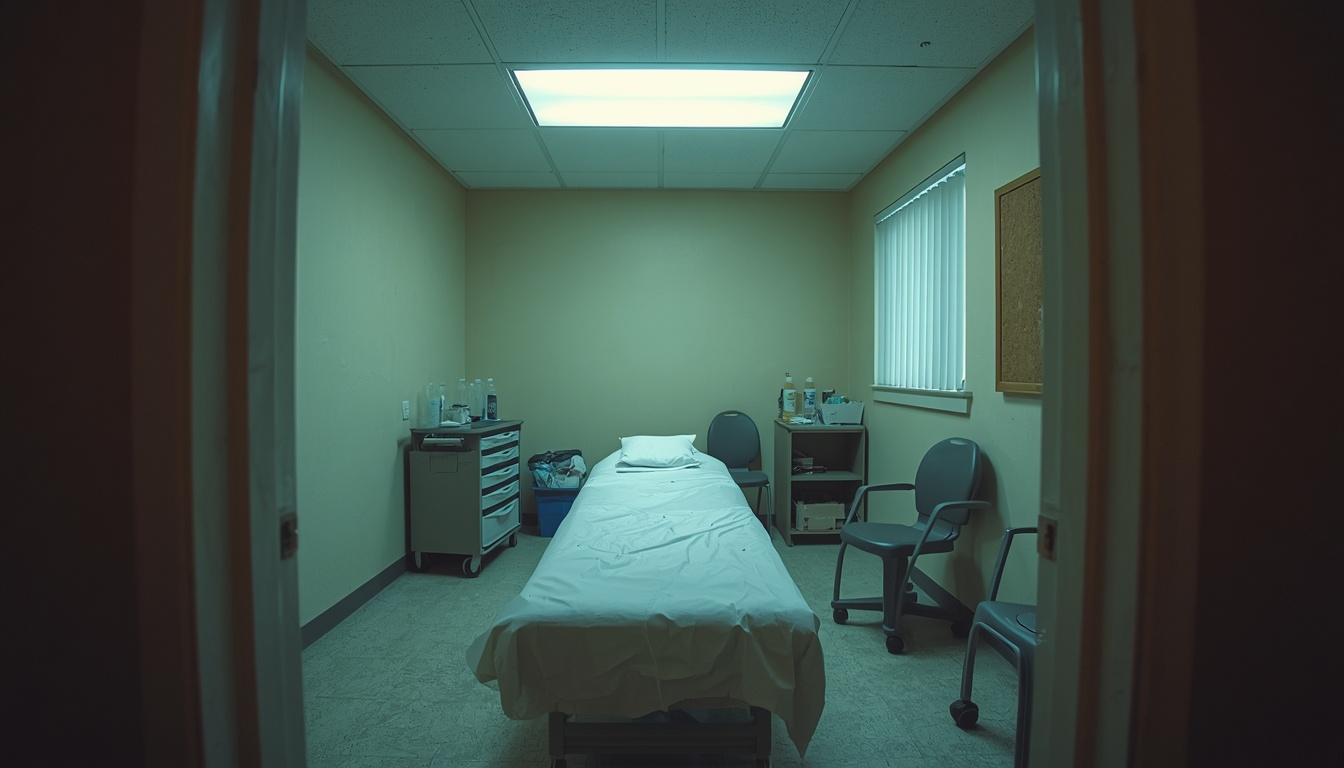
Same room. Same square footage. Same service. One was left to happen on its own, the other was art directed. Drag the handle. What you are watching is not a renovation budget, it is a set of brand decisions about light, material, restraint and a single accent color.

A generic, unstyled clinic treatment room under flat fluorescent light The same clinic treatment room fully art directed with warm light, matte black surfaces and a single lime accent Generic PELORA

Both frames were produced by PELORA as a demonstration of art direction. This is not a client before and after. We do not have a documented client "before" we are free to publish, and we are not going to invent one.

[ 04 ] Definitions that actually matter

Is branding just a logo?

No. And the confusion is expensive, because it is how businesses end up buying the smallest piece of the job and wondering why nothing changed. Five layers, largest to smallest.

  • BrandThe perception in your customer's head.You influence it. You never actually own it. It is the sum of every interaction someone has had with you.
  • StrategyThe decisions underneath.Positioning, audience, promise, values, architecture. This is the part most cheap branding skips entirely.
  • VerbalHow it sounds.Name, message, tone of voice, the words you use and the ones you refuse to use.
  • VisualHow it looks.Logo system, color, typography, imagery, motion. The part everyone thinks is the whole job.
  • LogoOne asset.Roughly eight files. Genuinely important, and genuinely the smallest piece of this list.
[ 05 ] Before anyone draws anything

The questions we ask before we design.

Strategy comes before craft, or the craft is decoration. This is a real extract from our discovery session. Most of these are uncomfortable, which is the point. If you cannot answer the position questions, that is the finding.

Purpose

  • Why did you start this company?
  • What would have to be true for this to still matter in twenty years?
  • Our brand exists to ______ because ______.

Customer

  • Who is this genuinely for, described by behavior rather than age bracket?
  • What is the real pain they are trying to get rid of?
  • Who is this not for?

Position

  • What can you say that no direct competitor can honestly say?
  • What would a customer use or do if you did not exist?
  • We are the only ______ that ______ for ______ who want ______.

Personality

  • If the brand were a person, what would they do for a living?
  • Pick a lane: friendly or authoritative, mass or elite, playful or serious.
  • What should this brand never sound like?

Voice

  • Smart but not academic. Fill in your own version of that sentence.
  • How does the brand speak when it has to deliver bad news?
  • Formal or casual, serious or funny, matter of fact or enthusiastic?

Reality

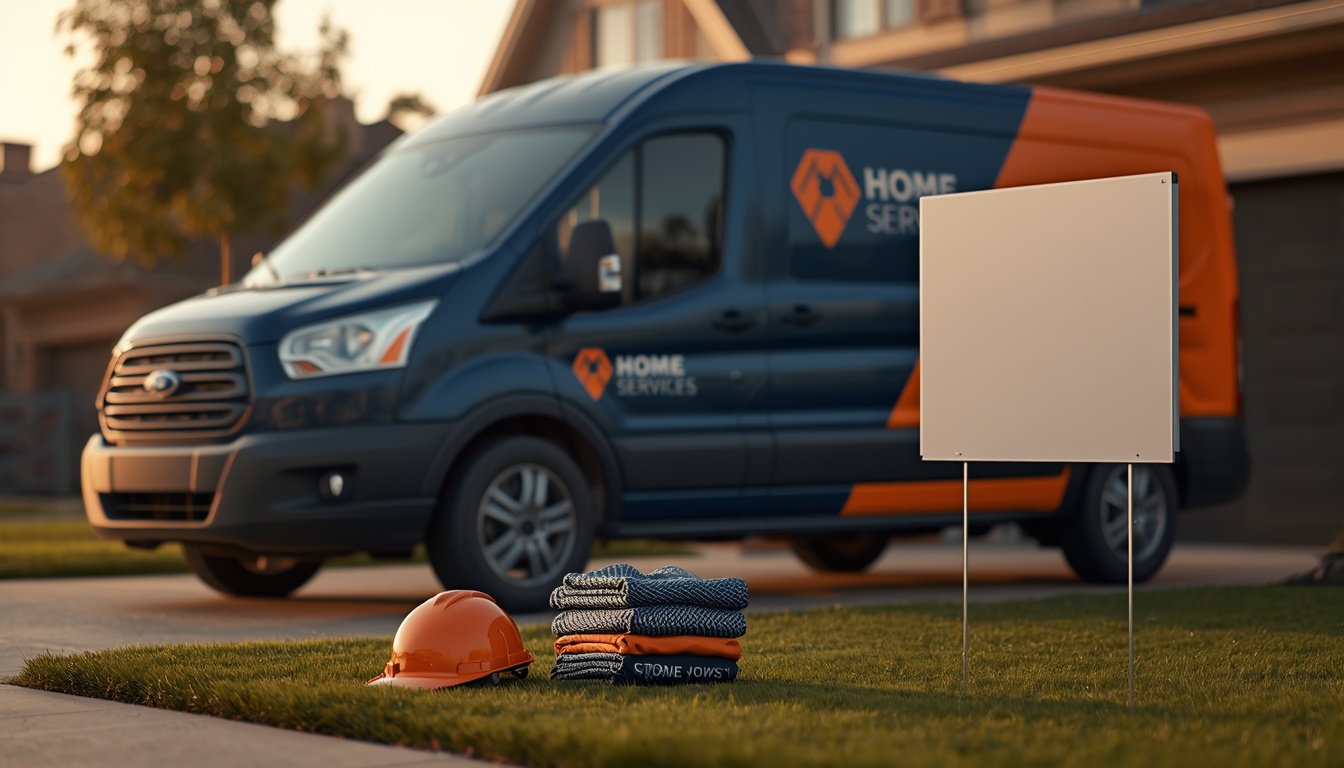
  • Where does this have to physically show up? Signage, vehicles, packaging, uniforms?
  • What is genuinely broken about the current brand?
  • Who signs off, and how fast can they turn feedback around?
[ 06 ] What lands in your drive

What you actually get.

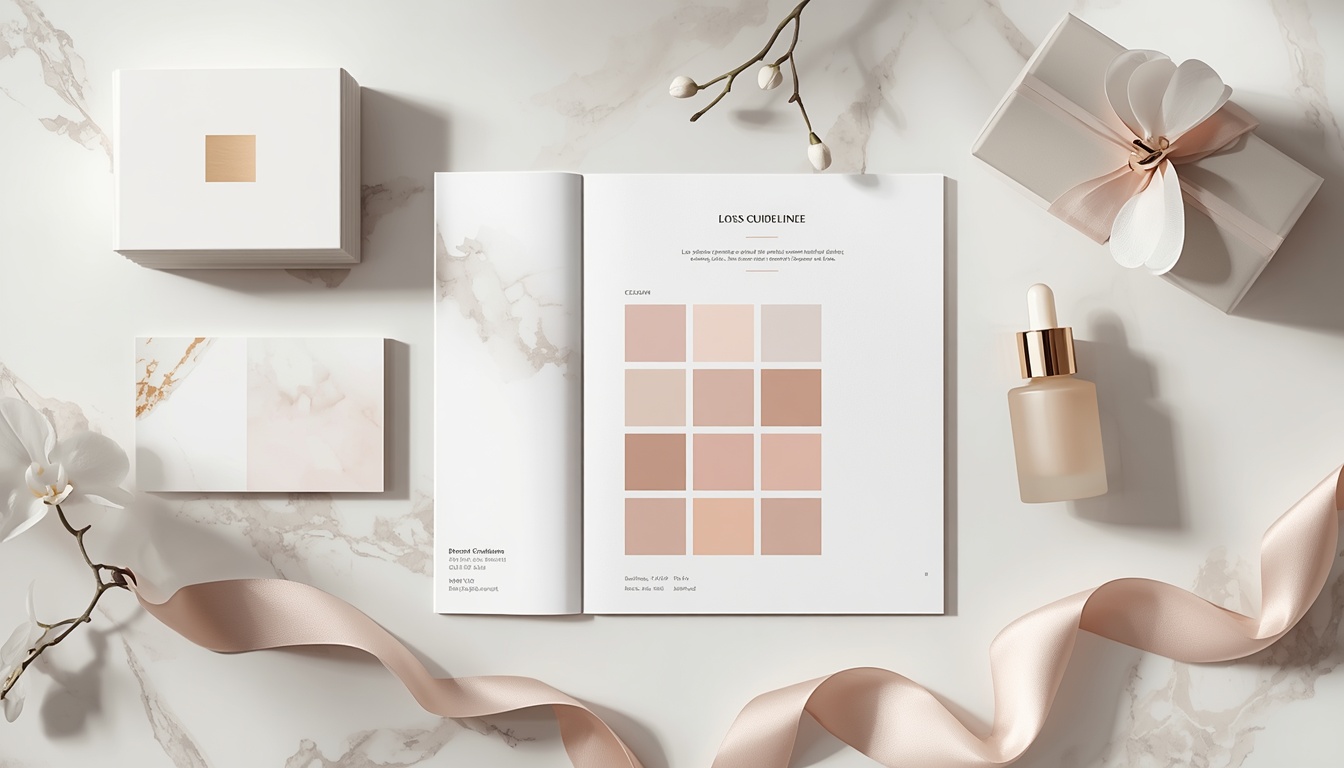
Every file, every format, every lockup. You own all of it. Fonts are the one exception anywhere in this industry, because type is licensed rather than sold, and we tell you which licenses you need and what they cost before we design with them.

Identity

  • Primary, horizontal, stacked and icon lockups
  • Monochrome, reversed and greyscale versions
  • Favicon and app icon assets
  • AI, EPS, SVG, PDF, PNG and JPG

System

  • Color palette in HEX, RGB, CMYK and Pantone
  • Type hierarchy, weights and web fallbacks
  • Imagery and art direction rules
  • Contrast checked to WCAG AA

Guidelines

  • Logo clear space, minimum size and misuse
  • Voice and tone with say / do not say examples
  • Packaging and social application specs
  • One page summary at the front

Applied

  • Packaging and can design
  • Product and brand photography
  • Brand film, CGI and motion
  • Website and ad creative
[ 07 ] Where it gets hard

In a licensed practice, the brand is a legal artifact.

This is the part a general design studio will not know. In California a name change can require a fictitious name permit. Before and after galleries are governed by Business and Professions Code 651, which bars altered or non-comparable images. Superiority claims like "best" or "number one" are not puffery when you hold a license. We design to those constraints from the first sketch, and we route claim language to your counsel rather than guessing.

The identity then has to work everywhere else too: Video Production Photography Web Design Product & Beverage DTC Brands Behavioral Health Med Spa & Aesthetics All 19 verticals

[ 08 ] Motion is part of the system

A brand that moves.

Static identity is where most studios stop. We build the motion too: animated logos, CGI product film, ad intros and loops like this one, produced in-house alongside the identity so the brand behaves the same way everywhere it shows up. See video production →

[ 09 ] Published, not quoted behind a call

What branding costs.

Most agencies hide this. Here is the actual rate card. These are rates, not estimates for your specific job, and final scope is confirmed in writing before any work starts.

Brand kit$2,500 - $6,500Logo, color system, typography and usage guidelines. The core identity system.
Logo design$1,500 - $3,500Standalone logo with full lockups and every file format you will need.
Graphic design & collateral$250 - $750 / pieceFlyers, business cards, uniforms, signage, menus.
Motion graphics & animation$500 - $2,500 / assetAnimated logos, ad intros, explainers and kinetic type.
Production shoot day$2,500 / dayUp to six hours on location, one producer-operator, edited into 8 to 10 finished assets.
Web design & custom sites$3,500 - $50,000From a clean brochure build to award-caliber custom work with bespoke animation.

Branding also folds into our ongoing programs at $7,500 and $9,000 a month, which cover paid media, organic social, creative and search together. Retainers run from $2,500 to $18,000 and up. Setup is $4,500 one time. Ad spend is paid direct to the platforms and never marked up. See the full pricing ladder.

For context on the wider market, Clutch reports US branding agency rates of $100 to $149 an hour, with the most common project size between $10,000 and $49,999.

How the engagement works

  • Project work is quoted flat and confirmed in writing before anything starts
  • Ongoing programs: $4,500 setup one time, three month minimum, then month to month
  • 30 days notice to stop. A 60 day checkpoint is built in
  • Ad spend paid direct to the platforms, never marked up
  • You own every file, account and asset. No exceptions

Who this is not for

  • You want a logo for a few hundred dollars. Hire a freelancer, genuinely
  • You need files by Friday. Good identity work does not compress that far
  • Nobody on your side can make a decision and hold it
  • You are pre-revenue and still testing the offer. Fix the offer first

We would rather tell you no now than take the money and disappoint you in month two.

[ 10 ] How it runs

Five phases. No mystery.

The single biggest cause of overrun is not design time, it is feedback speed. Two week approvals turn a ten week project into a fourteen week one. We tell you that up front because it is the one variable you control.

  • 1

    Discovery

    We ask the uncomfortable questions and audit what exists. Two to three weeks.

  • 2

    Strategy

    Positioning, audience, promise and message. Signed off before anyone designs.

  • 3

    Identity

    Two or three real directions, then one refined to production. Four to six weeks.

  • 4

    Application

    Packaging, photography, video, website, ad creative. The part others skip.

  • 5

    Rollout

    Signage, vehicles, profiles, schema and citations updated together, not piecemeal.

[ 11 ] Straight answers

What owners ask before they commit.

What does a branding agency actually deliver?

A brand strategy, a full identity system, and the assets that system lives inside. That means positioning and messaging, a logo suite in every format, a color and type system, brand guidelines, and then the packaging, photography, video, website, and ad creative built on top of it. A logo on its own is one asset, not a brand.

Is branding just a logo?

No. A logo is one asset inside a visual identity, which sits inside a brand identity, which serves a brand strategy. The brand itself is the perception in your customer's head, which you influence but never own. Buying only a logo is buying the smallest piece and calling it the whole job.

What does branding cost?

At PELORA a brand kit runs $2,500 to $6,500, a standalone logo with full lockups and file formats runs $1,500 to $3,500, graphic design and collateral runs $250 to $750 a piece, and motion graphics run $500 to $2,500 an asset. Websites run $3,500 to $50,000 depending on scope. Across the wider market, Clutch reports US branding agency rates of $100 to $149 an hour with the most common project size between $10,000 and $49,999.

How long does a rebrand take?

Strategy and discovery take two to three weeks. Identity design takes four to six. Rollout depends on how many touchpoints you have. The single biggest cause of overrun is slow feedback, not design time. If approvals take two weeks instead of two days, a ten week project becomes a fourteen week project.

Do I own the logo, the files, and the fonts?

You own the logo, the source files, and every asset we produce. Fonts are the exception everywhere, because type is licensed rather than sold. We tell you exactly which licenses you need and what they cost before we design with them.

Will a rebrand hurt my Google rankings?

It can, if the domain changes and redirects are handled badly. A name and identity change on the same domain is low risk. A domain migration needs a full redirect map, updated schema, and refreshed Google Business Profile and citation data. We handle that as part of the rollout rather than leaving it to chance.

Do I need a new name?

Usually not. Most businesses need positioning and a system, not a new name. When a name is genuinely holding you back it is normally because it is descriptive, which is the weakest kind of trademark. The USPTO ranks names from generic and descriptive at the bottom up to arbitrary and fanciful at the top. A name like Apple is protectable. A name that plainly describes what you sell is close to unprotectable.

Can you do the packaging and the photography too, or just the identity?

All of it, in house. Packaging and can design, product photography, CGI and 3D, brand film, the website, and the ad creative. That is the whole reason this page exists. Most studios hand over a guidelines PDF and stop at the point where the work actually gets hard.

How do you handle branding for a regulated clinic?

Carefully, because in a licensed practice the brand is a legal artifact. In California a name change can require a fictitious name permit, before and after galleries are governed by Business and Professions Code 651 which bars altered or non-comparable images, and superiority claims like best or number one are not puffery for a licensee. We design to those constraints from the start and route claim language to your counsel.

Should I rebrand, refresh, or leave it alone?

Leave it alone if the brand is merely dated but still trusted and known. Refresh if the positioning is right but the execution has drifted or looks older than the service. Rebrand if the business has genuinely changed, if you are fighting a name that limits you, or if you cannot say what makes you different in one sentence.

Do you do branding for treatment centers?

Yes, and with operator experience behind it. Preston operates four treatment centers, so the constraints are familiar rather than theoretical. Behavioral health advertising requires LegitScript certification on both Google and Meta, alumni are still patients under 42 CFR Part 2 so testimonials cannot be run the way other industries run them, and referral compensation is governed by EKRA. Those are brand decisions, not just legal ones.

Where are you located?

Newport Beach, California. We work across Orange County, Los Angeles, and San Diego in person, and with brands nationwide remotely. Production travels.

How long does the whole thing take, start to finish?

Six to nine weeks for strategy and identity. Two to three weeks of discovery, then four to six weeks of design. Application and rollout run on top of that and depend on how many touchpoints you have, so a brand plus a website is usually ten to fourteen weeks. The variable that actually moves the date is your feedback speed, not our design time.

Am I too small for this? Who is this not a fit for?

If you want a logo for a few hundred dollars, we are the wrong call and a freelancer is the right one. Same if you need files by Friday, or if nobody on your side can make a decision and stick to it. Brand work starts at $2,500 and needs someone who can approve things. If you are pre-revenue and testing an idea, spend the money on the offer first and come back when there is something to brand.

What is the commitment, and how does payment work?

Project work like a brand kit or a logo is quoted flat and confirmed in writing before anything starts. Ongoing programs carry a $4,500 one-time setup and a three month minimum, then run month to month with 30 days notice. There is a 60 day checkpoint built in, where we look at the numbers together and you decide whether to keep going. Ad spend is always paid direct to the platforms and never marked up.

Have you actually built brands, or just designed them?

Both, and we own several of them. The Epic Journal is a product we designed, photographed and still sell, 33,000 copies in. Epic Journey Recovery and Pelora Surfaces are companies we operate. WholeHealth Concierge and Whole Health Hydration are brands we launched and run marketing for, and WholeHealth went from 2 to 16 patients in 90 days. That is the difference between a studio that hands you a brand book and one that has had to live inside the brand afterward.
Sources Market rate data: Clutch, US branding agency pricing. Brand and activation budget split: Binet & Field, The Long and the Short of It, IPA, 996 campaigns from the IPA Effectiveness Databank. Guidelines structure: Frontify. Trademark distinctiveness spectrum: USPTO. California advertising constraints: Business and Professions Code 651 and 2285. Behavioral health advertising: LegitScript certification requirements, 42 CFR Part 2, and 18 U.S.C. 220.
In their words

Founders we’ve shipped for, in their own words.

Verified and public on Google. Not edited. Not paraphrased. Click any name to read it in full.

Verified · Google

“It genuinely feels like working with someone who cares about where your business is going.”

“We hired Pelora Marketing to help us build our business from the ground up and it has been one of the best decisions we've made. Preston and his team designed our website, set up our automations, and built an organic growth strategy tailored specifically to us. We always feel heard. Every question gets a real answer and nothing gets glossed over. It genuinely feels like working with someone who cares about where your business is going. If you're an Orange County business owner looking for a team that actually shows up and delivers, look up Pelora Marketing. We can't recommend them enough!”

K
Keisha M. Simon
Local Guide · 8 reviews
2 weeks ago
Verified · Google

“Marketing that feels intentional, professional, and results-driven.”

“Pelora brings a thoughtful approach to branding, digital marketing, and business visibility. What stands out most is the genuine effort to understand each client’s goals and create marketing that feels intentional, professional, and results-driven.”

B
The Business Botanist
3 reviews
3 days ago
Verified · Google

“They delivered exactly what was promised, and the results exceeded my expectations.”

“Communication was clear, they delivered exactly what was promised, and the results exceeded my expectations. Highly recommend them to anyone looking for reliable and professional marketing services.”

J
Jake Jennings
3 reviews
3 weeks ago
Start with the audit

Tell us what the brand is getting in the way of.

Free 48-hour Growth Audit. No pitch deck, no retainer conversation until you have something useful in your hands.