
One interview becomes a month of treatment center content.
We film one long conversation at your program, with a signed release from everyone on camera, then cut it into the clips, quote cards, articles, FAQ answers and ads your search, social and admissions work needs.
For licensed addiction and mental health programs, filmed on location nationwide.
AI-generated illustration.
- 1Filmed interview at your program
- 10 to 20Short videos from a shoot day, usually
- Up to 7Places one interview can be published
- 12 yearsOur founder owning and operating treatment centers
Short video count is our shoot day yield (usually 10 to 20, more on longer days). The 7 places are in the diagram below; which ones you use depends on your plan. The 12 years are Preston Durnford's own operating history.
Treatment center content marketing turns one filmed interview into a month of clips, articles, FAQ answers and ads for a licensed program. Everyone on camera signs a release first. A production shoot day starts at $3,500 and usually yields 10 to 20 short videos, more on longer days.
Last updated . What we checked: Google Search Central's video SEO guide (last updated December 18, 2025), 42 CFR Part 2 on govinfo.gov (2025 edition), Google's Healthcare and medicines policy, Meta's addiction treatment and personal attributes policies, LegitScript's addiction treatment certification page, the FTC's reviews and testimonials rule and two HHS review-reply settlements, all read October 28, 2026.
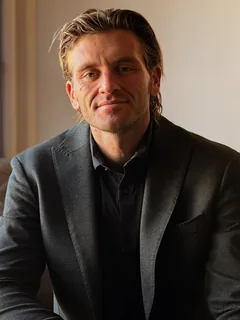
By Preston Durnford, Founder and CEO, PELORA Marketing. He has owned and operated treatment centers for 12 years, across subacute detox, residential, PHP and IOP.
This page is for treatment providers. If you are looking for treatment for yourself or someone you love, SAMHSA's National Helpline is free, confidential and open 24/7 at 1-800-662-HELP (4357).
What is treatment center content marketing?
It is the material a program publishes so families can understand it before they call: who runs it, what a day looks like, what recovery sounded like for someone who went through it, and plain answers to the questions admissions hears every week. We build it from one filmed interview because a real conversation gives you real words, and real words are what search engines, AI answers and families all read.
Most treatment center content starts from a keyword and ends as an article nobody on your team would say out loud. We start from your people. A founder, a clinical director or an alumnus who chose to share their own story sits down for one long, unhurried conversation; everything else is cut from that conversation, in their voice, checked against each platform's rules before it runs.
The same approach works for mental health programs and TMS clinics, where a psychiatrist explaining who a treatment is for can say more than an ad can; for the rules a TMS clip has to follow, see TMS therapy marketing. For the ads side of a treatment program, see addiction treatment marketing; for filming alone, see treatment center video marketing.
A fit
- Licensed addiction treatment and mental health programs, and TMS clinics
- A founder, clinician or alumnus who wants to tell their own story and will sign a release
- Programs that want their own people, not stock footage, in front of families
Not a fit
- Unlicensed programs, and lead generators or call centers paid per referral
- Anyone who wants scripted testimonials or outcome claims
- Any story told without the person's written release
What does one interview look like?
This is one real interview, published on the Epic Journey channel: Preston Durnford talks with Will Mansfield, who tells his own recovery story, filmed outdoors in Newport Beach and Laguna Beach, California. It runs 53 minutes and 8 seconds and was published on December 15, 2025. One conversation of this length is the raw material for everything in the next section.
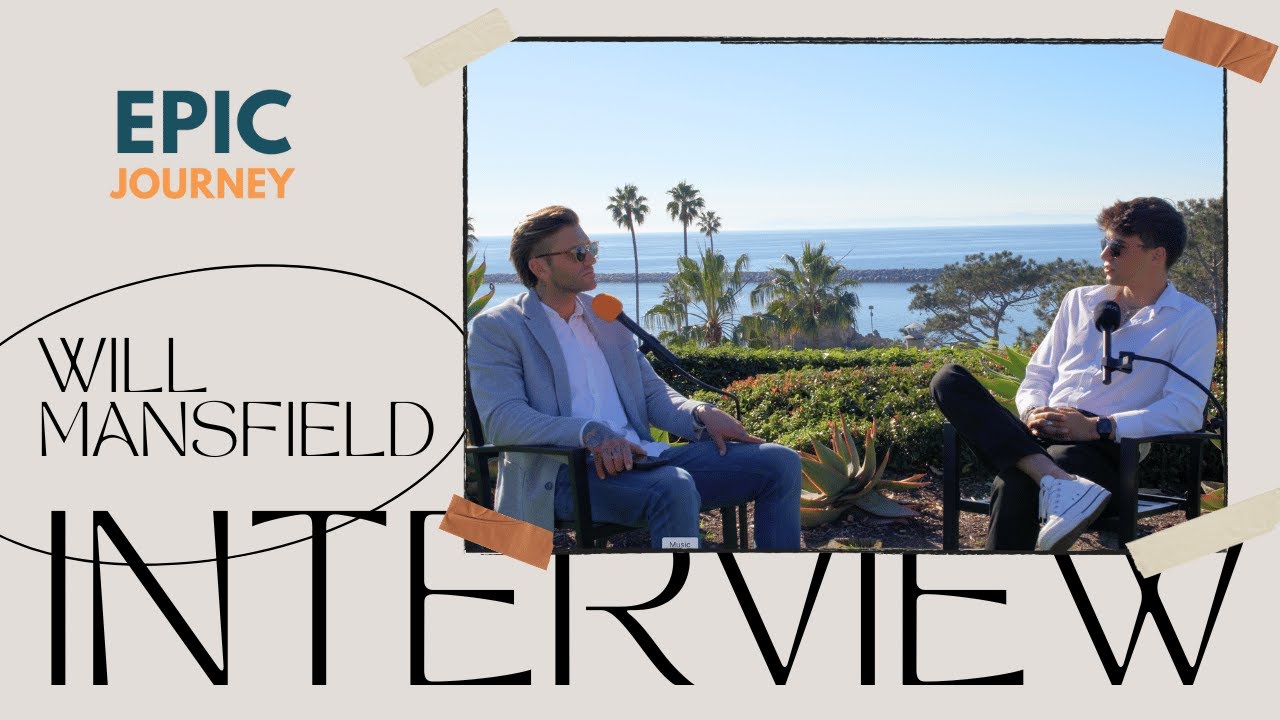 Full interview, 53:08
What makes it work as source material: one person, one place, a long unhurried conversation, and answers in plain words. A family member who watches two minutes of it learns more about what recovery can look like than a stock photo could ever show.
What do we cut from one interview?
Seven kinds of material, each published where it does its job. The ads come last: they run only after your program holds LegitScript certification and each platform's approval.
| Piece | Its job | What we check first |
|---|---|---|
| Full episode | Lets a family hear your people at length before they call | A signed release from everyone on camera |
| Short clips | Reach people on Instagram, YouTube and Facebook in under a minute | No clip suggests the viewer has a condition |
| Quote cards | One clear line, in the speaker's words, for a post | The quote is exact and the speaker approved its use |
| Blog post and FAQ answers | Answer the questions families type into Google and AI tools | Facts match your program's licenses and services |
| Business Profile post | Keep your local listing current with something real | Google Business Profile content rules |
| Reach people who already asked to hear from you | Opt in, and nothing that identifies a client | |
| Ad cuts | Paid reach on Google and Meta | LegitScript, Google's certification, Meta's written permission |
Each clip is re-edited from the interview with its own opening line and one call to action, rather than a straight trim, and each carries its own tracked link or number, so you can see which pieces lead to calls.
How does one interview help you show up in Google and AI answers?
By turning spoken answers into text a search engine can read. A video alone is hard for Google or an AI tool to quote; the same answers written on a page are easy. So for every interview we produce for a program, the words go on the page too.
Chapters on the full episode
Google's own guidance says:
We will prioritize key moments set by you, either through structured data or the YouTube description.
So the full episode gets chapters in its YouTube description and in the page's video markup.A transcript on the page
The full transcript is written into the page itself, the first lines visible and the rest one tap away, so Google can read all of it.
Video markup with real facts
Google's video markup carries the real upload date and length from YouTube, never a guess, and each video gets its own title, description and thumbnail, as Google asks.
FAQ answers in the buyer's words
The questions families ask on the call become short written answers on the program's pages, in the speaker's voice.
Source: Google Search Central, Video SEO best practices, last updated December 18, 2025, read October 28, 2026.
One honest limit: Google describes a watch page
as a page whose main purpose is to show users a single video
. On most program pages the video supports the text, so the written answers do the ranking work and the video earns the trust. We build for both. For how consistently treatment centers show their basic facts today, see our audit of 30 treatment center websites.
How do consent and privacy work on camera?
Plainly: no one appears without a signed release, and a recovery story runs only with the written OK of the person who lived it. We plan shots so no one else in the program can be identified, and nothing we publish, including a reply to a review or a comment, confirms that someone is or was a client.
42 CFR Part 2
For a facility publicly identified as providing only substance use disorder care, a patient's presence may be acknowledged only if the patient's written consent is obtained
or a court order allows it. The rule's definition of patient includes both current and former patients
, and it lists a photograph
as patient identifying information.
What this means for youIf the rule covers your program, alumni count too: get written consent before any video, photo or post shows that someone was treated there.
42 CFR 2.11 and 2.13, Code of Federal Regulations, 2025 edition on govinfo.gov, read October 28, 2026.
Meta's personal attributes rule
Meta says ads must not contain content that asserts or implies personal attributes
, including physical or mental health (including medical conditions)
.
What this means for youA clip can tell someone's own story; the caption and the ad can never suggest the viewer has a condition.
Meta Transparency Center, Privacy Violations and Personal Attributes, read October 28, 2026.
Reviews and testimonials
The FTC's rule on fake reviews and testimonials, announced August 14, 2024, is meant to combat fake reviews and testimonials by prohibiting their sale or purchase
, and it lets the agency seek civil penalties against knowing violators
.
What this means for youA story on camera must be the speaker's honest experience, never scripted results, never paid for a positive story, and any payment or other connection disclosed.
Federal Trade Commission press release, August 14, 2024, and 16 CFR Part 465, read October 28, 2026.
Replies that confirm a patient
HHS's Office for Civil Rights reached an agreement in a case alleging that Manasa Health Center impermissibly disclosed the protected health information of a patient when the entity posted a response to the patient's negative online review
; Manasa, a psychiatric provider in New Jersey, paid $30,000 and agreed to a corrective action plan. New Vision Dental paid $23,000 over the provider's inappropriate use of social media to respond to patient reviews
.
What this means for youThank reviewers in general terms, never confirm treatment, and take the conversation offline.
HHS Office for Civil Rights, resolution agreements with Manasa Health Center and New Vision Dental, read October 28, 2026.
This is a plain-English summary of published rules, not legal advice. Your counsel approves the release form and makes the legal calls.
What happens on a shoot day, and what does it cost?
A production shoot day starts at $3,500 for a one-camera interview filmed locally and usually yields 10 to 20 short videos, more on longer days. Outside Orange and Los Angeles counties, travel is billed at cost plus a travel day. Publishing and ads run inside a monthly plan from $3,500 a month, and your plan decides which pieces publish: Launch runs one ad channel, organic social starts at Growth or as an add-on, and email is a separate line. Ad spend is paid by you directly, never marked up.
Plan the conversation
A call with your team: who goes on camera, the questions families ask admissions most, and your counsel's release form signed before the day.
Film on location
The interview, then footage of your spaces with no identifiable clients in frame, so families see the place they would arrive at.
Cut and check
Clips, quote cards, the transcript, the article and the FAQ answers, each checked against the platform rules on this page.
Your team approves
Nothing goes out until your team, and your counsel where you want them, signs off.
Publish on a schedule
The full episode first, then a steady run of clips, posts and the article over the following weeks; ad cuts only once certification and approvals are in place.
How is interview-led content different from stock content?
The difference is whose words and whose place the reader sees.
| Question | Stock photos and generic articles | One interview, cut many ways |
|---|---|---|
| Whose words? | Written to a keyword list | Your founder, clinicians or an alumnus, in their own voice |
| Whose place? | A stock room that could be anywhere | Your program, filmed on location |
| Consent | Not needed, because nobody real is shown | A signed release from everyone on camera |
| Search and AI answers | Text that reads like every other program's | A transcript, chapters and answers no one else has |
| Ads | Creative that is easy to ignore | Real footage, cut to each platform's health rules |
Content questions from treatment programs.
How much does treatment center content marketing cost?
A production shoot day starts at $3,500 for a one-camera interview filmed locally and usually yields 10 to 20 short videos, more on longer days. Publishing and ads run inside a monthly plan from $3,500 a month, and your plan decides which pieces publish: Launch runs one ad channel, organic social starts at Growth or as an add-on, and email is a separate line. Ad spend is paid by you directly, never marked up.
Who can be on camera?
Anyone who agrees in writing: your founder, clinical leaders, staff, and alumni who choose to tell their own story. No one appears without a signed release, and we plan shots so no one else in the program can be identified.
Can an alumni story be used in ads?
Only if the person agreed in writing to that use, and only within each platform's rules. Under 42 CFR Part 2, a covered program's patients include former patients, so confirming that someone was treated there needs their written consent, and on Meta no ad may suggest the viewer has a health condition.
Do you film at our program?
Yes. We film on location so the place families see is the place they would arrive at. Outside Orange and Los Angeles counties, travel is billed at cost plus a travel day.
Does video help a treatment center show up in Google and AI answers?
It helps when the words are on the page too. Google says it prioritizes key moments set through structured data or the YouTube description, so we publish chapters, a transcript and video markup with the real upload date and length.
What if our program is not LegitScript certified yet?
The organic content can start now and the ad cuts wait. Google and Meta both require LegitScript certification before addiction treatment ads run; Google also requires its own certification, and Meta its written permission.
Tell us who should be on camera. We plan the rest.
Bring your levels of care, who you would want to interview and where admissions come from today. On the call you get a straight answer on fit and a first shoot plan, whether or not we work together.