Health brand marketing agency for supplement, beverage and DTC brands.
Plans from $3,500 a month.
Ads, Amazon listings and creator posts written only from claims you can prove, for supplement, beverage, OTC, skincare and DTC health brands. Every plan can run Google or Meta ads; Amazon, TikTok and creators are add-ons; and we read each platform's written rules before anything runs.
For health brands nationwide, from Newport Beach, California.
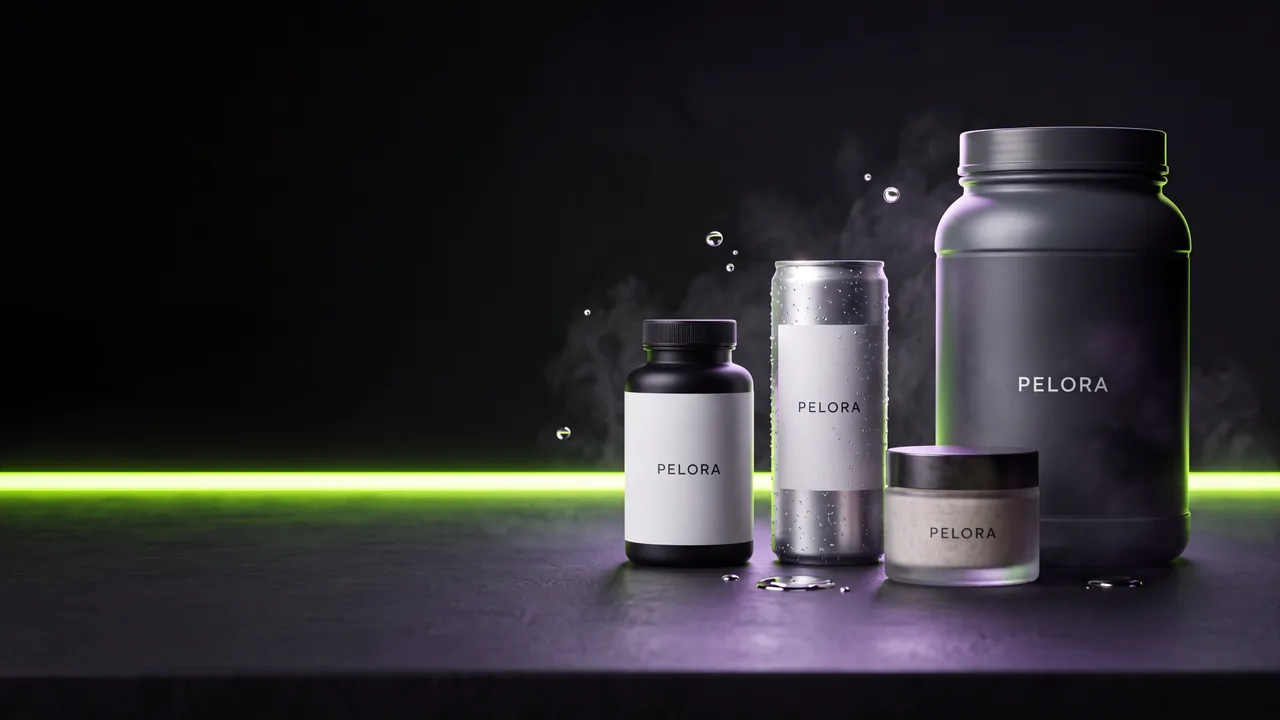
AI-generated illustration.
- 0 of 11Supplement and wellness agency pages we read on October 31, 2026 that quote any rule with the date they read it
- 2 of 23Supplement brands, of the 23 we could measure, that publish their reviews in a form a machine can read (Review markup), in our audit of 30 brands
- $5M+Ad spend our team has managed
- 100,000+Copies sold of The Epic Journal, the guided journal our founder wrote
The 0 of 11 is our own count of the 11 agency pages we opened from a web search index's results for two buyer queries on October 31, 2026. The 2 of 23 is from our audit of 30 supplement brands on August 17, 2026 (23 product pages could be measured), linked below. The $5M+ is ad spend our team has managed and the 100,000+ is our founder's book; both are figures we publish.
Health brand marketing is advertising, search and creator work for a product that helps people's health, written only from claims the brand can prove. PELORA runs it for supplement, beverage, OTC, skincare and DTC brands: Google or Meta ads from $3,500 a month, both together on larger plans, inside each platform's written rules, with Amazon, TikTok and creators as add-ons.
Last updated . What we checked: the 11 supplement and wellness agency pages we opened from a web search index's results for two buyer queries, read October 31, 2026; our own Search Console queries for this category, last three months, exported October 25, 2026; the rule quotes and read dates on our supplement and DTC pages and the two rules guides they link (read September 26 and October 1, 2026, and between September 5 and October 23, 2026); our beverage and energy drink pages, which quote no rule; FDA's two nutrition labeling sections, 21 CFR 101.9 and 101.36, and the statutory definition of a dietary supplement, 21 U.S.C. 321(ff), read October 31, 2026; our August 17, 2026 audit of 30 supplement brands; our published prices.

By Preston Durnford, Founder and CEO, PELORA Marketing. He has owned and operated addiction and mental health treatment centers for 12 years.
What is health brand marketing, and what does an agency run for a product brand?
Health brand marketing is the advertising, search and creator work for a product that helps people's health, where every claim has to match what the product can prove and what each platform's written rules allow. A clinic sells a visit; a brand sells a bottle, a can or a jar, on its own site, on Amazon, in a creator's video and on a shelf. The rules follow the product into every one of those places. Here is what we run and where it sits in a plan:
| Piece | What it does | Where it sits |
|---|---|---|
| Paid social and search | Facebook, Instagram and Google ads for the product, written from your cleared claims list, with the audience limits each platform sets for health products | One channel, up to 2 campaigns, from $3,500; Google and Meta together, 2 campaigns each, from our Scale plan (every plan is on our pricing page) |
| Ad creative | New ads every month, each one checked against the claims list before it runs | 5 a month on the $3,500 plan, 12 on Scale |
| Search and AI articles | Plain answers to what buyers ask before they order, with product schema and titles | 2 a month on the $3,500 plan, 6 on Scale |
| Amazon | Amazon Ads and listing builds, after the check that your product can list at all | An add-on on any plan, priced on its page |
| TikTok Ads and TikTok Shop | TikTok Ads and Shop management, only where TikTok's written rules allow your category | An add-on on any plan, priced on its page |
| Creator program | Up to 5 creators live, every post read before it goes live, briefed from your claims list; our supplement creator page has the claim rules | An add-on below our largest plans, priced on our influencer marketing page |
| Claims review | Every ad and page we make, and every listing or creator post in an add-on, read against your claims list and the platform's rule before it runs | Every plan |
| Monthly report | Spend and results by channel, in your own numbers, every month | Every plan |
A fit
- Supplement, vitamin, protein and sports nutrition brands
- Energy drinks and functional beverages
- OTC and consumer health, skincare, and DTC health and wellness brands
Not a fit
- Research-use-only peptides, unapproved drugs, kratom, kava or an online pharmacy
- Anyone who wants a disease claim, a before-and-after weight image or a weight promise in an ad
- Anyone who wants a creator to say what the brand cannot prove
Which rules apply to your product, and which page holds them?
It depends on what the product is represented and labeled as, which its panel shows, and on who makes the claim. Four categories, one line each on what changes, and the PELORA page that quotes the rules with the date we read them:
| Category | What changes | Our page, with its read dates |
|---|---|---|
| Supplements, vitamins, protein and sports nutrition | A Supplement Facts panel puts the product under FDA's rule for supplement claims (21 CFR 101.93: a structure or function claim with the disclaimer; a disease claim makes it a drug unless it is an authorized health claim the product qualifies for) and the FTC's standard of proof for health claims. The platforms add their own limits: 18 and older on Meta, and on TikTok for weight or muscle claims; limits on weight claims on all four; no prescription comparisons on Google or Amazon Ads. | Supplement marketing (rules quoted from reads between September 5 and October 23, 2026) and the supplement ad rules guide (read September 26, 2026) |
| Energy drinks and functional beverages | A drink sold as a beverage carries a Nutrition Facts panel (21 CFR 101.9) and follows food rules; one sold as a dietary supplement carries a Supplement Facts panel (21 CFR 101.36) and follows the supplement rules above. Which one a drink is turns on how it is represented and labeled, not on the panel alone: federal law defines a dietary supplement as a product that is not represented for use as a conventional food and is labeled as a dietary supplement (21 U.S.C. 321(ff)), so your counsel confirms it first. As our energy drink page puts it, the line between a function claim and a disease claim matters more once a product carries a supplement panel instead of a nutrition panel. | Energy drink marketing and beverage brand marketing cover production, creators and ad formats; neither quotes a beverage rule yet, so the claims review below covers them. |
| DTC health and wellness brands | A claim a creator makes for you is your claim under the FTC's Endorsement Guides (16 CFR 255), and an online subscription has to disclose its terms before taking billing information, get express consent and give a simple way to cancel under the Restore Online Shoppers' Confidence Act (15 U.S.C. 8403). The platform rules follow the product category. | DTC brand marketing (rules read October 1, 2026) and the DTC wellness ad rules guide (read September 26, 2026) |
| OTC and consumer health; skincare | We serve both and review every claim before it runs. We have not published a rules read for OTC drug labeling or cosmetics claims yet, so nothing on this page describes one; the read comes first, then the plan. | We read the rule for your product before the first ad is written; bring the product to the call. |
The rules we work from, by title, each quoted with its read date on the page that holds it: 21 CFR 101.93 (dietary supplement claims and the disclaimer); the FTC Health Products Compliance Guidance; the FTC Endorsement Guides, 16 CFR 255; the Restore Online Shoppers' Confidence Act, 15 U.S.C. 8403; Meta's Health and wellness policy; Google's Healthcare and medicines policy and its unapproved pharmaceuticals and supplements list; TikTok's weight management policy; Amazon's dietary supplements policy. Platforms change these without notice, so we re-read a rule on its own page before a campaign launches, never from memory. This is how we route the work, not legal advice; your counsel has the last word.
How do you check a health claim before it runs?
Four steps, in writing, on every ad, page, listing and creator post.
Your claims list first
Before we write a line, we ask for your label, the proof behind each claim, and any claims list your counsel or regulatory consultant has cleared. We write from that list and your proof, and nothing outside them.
The platform's rule, re-read
For each platform the ad will run on, we re-read its health rule on its own page the week the campaign launches and keep the date. Our category pages above hold the last reads.
A written check before anything goes live
Every ad, landing page, listing and creator post gets a written check against your claims list and the platform's rule, and a person reads every creator post before it goes live, because under the FTC's Endorsement Guides what a creator says for you is your claim. A line that fails is cut or rewritten. We never try to slip a rejected ad past review.
When a platform pauses an ad
If a platform pauses an ad or rejects a product, that ad stays off. We find the rule the platform cited and tell you; if the fix is in the ad, we rewrite it and send it back through the platform's own review, and if the product or category is the cause, it does not run there. We never promise an ad will clear review. We are a marketing agency, not a law firm; your counsel has the last word on your label and your claims.
Which health products do you take, and which do you decline?
We take products that help people's health: supplements, vitamins, protein powders and sports nutrition, energy drinks, health and functional beverages, OTC and consumer health, skincare, and DTC health and wellness brands. Treatment programs, clinics and hospitals come first at PELORA, and health products are one of our four areas, run with the same rules-first approach. We decline, paid or organic, research-use-only peptides and unapproved drug brands, kratom, kava and online pharmacies.
Restricted categories get organic first. Any category an ad platform restricts, prohibits or requires certification for, such as CBD and hemp, nootropics or sexual wellness, we serve with organic search, AI search, web design, video, photography, social media, email, creative, influencer marketing and strategy. Paid ads run only within each platform's written rules: FDA-approved products, or educational ads that do not promote the restricted product. Every health brand goes through our ad-compliance review before anything runs.
| Category | Paid ads | Organic, creative and creators |
|---|---|---|
| Supplements, vitamins, protein and sports nutrition | Yes, inside each platform's rule: adults 18 and older where the platform requires it, no disease claims, no prescription comparisons | Yes |
| Energy drinks and functional beverages | Yes, inside each platform's rule, with the supplement limits once the can carries a Supplement Facts panel | Yes |
| OTC and consumer health; skincare | Yes, inside each platform's rule, after we read the rule for the product | Yes |
| CBD and hemp, nootropics, sexual wellness and other restricted categories | Only FDA-approved products, or educational ads that do not promote the product | Yes |
| Research-use-only peptides, unapproved drugs, kratom, kava, online pharmacies | No | No |
How does PELORA run health brand marketing?
One product and one channel first, then more once it sells. The claims review above comes before any of this.
Demand before budget
We never guess a cost per click or a cost per order. Before we suggest a budget, we pull your category's numbers from Keyword Planner and your own order data; try our ad spend calculator first.
Accounts in your name
Ad accounts, your Amazon and TikTok accounts and every creative are yours. Ad spend is billed to you by the platforms and never marked up.
Report, then a day 60 checkpoint
Spend and results by channel, every month, in your own numbers. Day 60 is a checkpoint in every plan: what to keep, cut or grow.
Example. A sports nutrition brand with one hero product and a cleared claims list. We run one Meta campaign to adults 18 and older with five new ads a month written from the list and, as add-ons, a creator program with every post read before it goes live and a rewrite of the Amazon listing to match the same claims. This is an example, not a client and not a result.
What does our own audit of supplement brands show?
Most supplement brands tell Google what they sell, about half declare a star rating, and only 2 of 23 publish the reviews themselves in a form a machine can read. On August 17, 2026 we audited 30 direct-to-consumer supplement brands for what an AI answer engine can read on their product pages. Of the 23 whose product page we could retrieve and parse, 87 percent declared Product schema. The sample is prominent brands, not a random draw, measured on one day; the method and the full numbers are in our supplement brand AI visibility study.
What it means for you: the schema and titles that tell Google and AI assistants what you sell are in every plan, and review markup on your own site comes with Scale. Markup alone does not make an engine cite a brand; the pages it reads have to answer what buyers ask, which is what the search and AI articles in every plan are for.
How does PELORA compare with the agencies that come up for supplement marketing?
| What matters | The 11 agency pages we read | PELORA |
|---|---|---|
| A rule named by its title and quoted with a read date | 0 of 11; nine name no rule beyond a general phrase like "FDA and FTC guidelines" | Every rule named above by its title, with a read date here or on the page that quotes it |
| The category split, and what changes by panel | 0 of 11; every supplement page is supplement-only | Four categories, one line each |
| Products they decline, by category | 0 of 11; two decline by revenue or spend | Listed above, paid and organic, from our own policy |
| A measured number with a method and a date | 0 of 11; the numbers are vendor tiles, a Clutch rating and one undated CDC figure | 30 brands, August 17, 2026, method linked |
| What Amazon requires before a supplement can list | 0 of 11; Amazon is a channel on 6 | Quoted with its read date on our supplement page |
Counted from the 11 agency pages (five service pages, three lists, three home pages) we opened from a web search index's results for "marketing agency for supplement brands" and "health and wellness brand marketing agency", every page read October 31, 2026. The counts describe those 11 pages, not a ranking.
Health brand marketing, answered.
How do I run Meta ads for a DTC supplement brand?
Start with your cleared claims list, then build the ad set to adults 18 and older, because Meta's health and wellness policy requires that for dietary, health and weight products. Write copy that describes the product and never the reader's health, because Meta bars ads that assert or imply personal attributes, and keep every weight claim out unless it is on your list with proof behind it. Both Meta rules are quoted, with our read dates of September 5 and September 27, 2026, on our supplement marketing page; Meta changes them without notice, so we re-read them before a campaign launches.
Which marketing firms understand FTC wellness advertising rules?
Ask any firm to show you the rule it works from, quoted with the date it read it; a firm that says "FDA and FTC guidelines" and nothing more has not shown you it read them. Of the 11 supplement and wellness agency pages we read on October 31, 2026, none quoted a rule with a date. Ours do: the FTC Health Products Compliance Guidance is quoted on our supplement ad rules guide and the Endorsement Guides on our DTC wellness ad rules guide, each with its September 26, 2026 read date.
Can you run Amazon for our supplement brand?
Yes, as an add-on, after we check that your product can list at all. Amazon's dietary supplements policy requires a third-party cGMP audit or certification before a supplement sells, and Amazon Ads bars claims that a non-prescription product is as effective as a prescription one; both are quoted with their read dates (September 5 and October 23, 2026) on our supplement marketing page. We run Amazon Ads and listing rewrites with claims from your cleared list only.
We are looking for an agency to scale our DTC supplement brand. What does it cost?
Plans start at $3,500 a month (one channel, up to two campaigns, five ad creatives a month), plus a one-time setup fee ($1,500 to $2,000 on the $3,500 plan, $4,500 above it) and a three-month minimum; most clients land at Growth, $5,500. Ad spend is paid to the platforms directly, never marked up. Amazon, TikTok and creator programs are add-ons priced on their own pages, and every plan is on our pricing page.
Can a creator say our supplement helps with sleep or weight?
Only if that claim is on your cleared list with proof behind it, because under the FTC's Endorsement Guides the brand answers for what a creator says for it. TikTok goes further: its Branded Content Policy prohibits creator posts for weight loss and weight management supplements, as our DTC wellness ad rules guide states it from its September 26, 2026 read. In ads, Meta requires adults 18 and older for dietary and weight products, and TikTok for any weight loss or muscle gain claim; both are quoted on our supplement page from reads of September 5 and October 23, 2026. We brief each creator from your list and read every post before it goes live.
Do you work with beverage and energy drink brands, and do the same rules apply?
Yes, and the rules depend on what the drink is represented and labeled as. A drink sold as a beverage, with a Nutrition Facts panel (21 CFR 101.9), follows food rules; one sold as a supplement, with a Supplement Facts panel (21 CFR 101.36), follows the supplement rules on claims and the disclaimer. Federal law draws the line at whether the product is represented as a conventional food and labeled as a supplement (21 U.S.C. 321(ff)), so your counsel confirms which one yours is. Our beverage and energy drink pages cover production, creators and ad formats for the category, and every claim goes through the same written review.
Is an AI-native Google Ads agency worth it for a DTC brand spending $20,000 to $100,000 a month?
It can be, if it shows its work: the claims list it writes from, the rule reads it keeps with dates, and a monthly report in your own numbers. Our ad management runs on AI agents, and a person reviews every ad and creator post for compliance before it runs. Ad spend is billed by the platforms to you and never marked up; our fee is a flat monthly plan, not a percentage of spend, and the plan that fits your budget is on our pricing page.
Do you work with supplement and health product brands?
Yes. We market health products: supplements, vitamins, sports nutrition, energy drinks and functional beverages, OTC and consumer health, skincare and DTC health and wellness brands. The work has the same shape as our healthcare work: health rules on every platform, claims that must be true, and accounts that can be paused overnight. We market treatment programs, clinics and hospitals first, and we take the products that sit next to that care. Our founder has owned and operated treatment centers for 12 years and wrote The Epic Journal, a guided journal with 100,000+ copies sold.
Bring your product and your claims list. We will tell you which rules apply where.
Bring the product, its panel, the claims you can prove and any list your counsel has cleared, where it sells today (your site, Amazon, TikTok Shop, retail) and your monthly budget. On the call you get our read of what Google, Meta, Amazon and TikTok allow for your category, which claims on your list need more proof before they run, and the first three things we would build, whether or not we work together.